
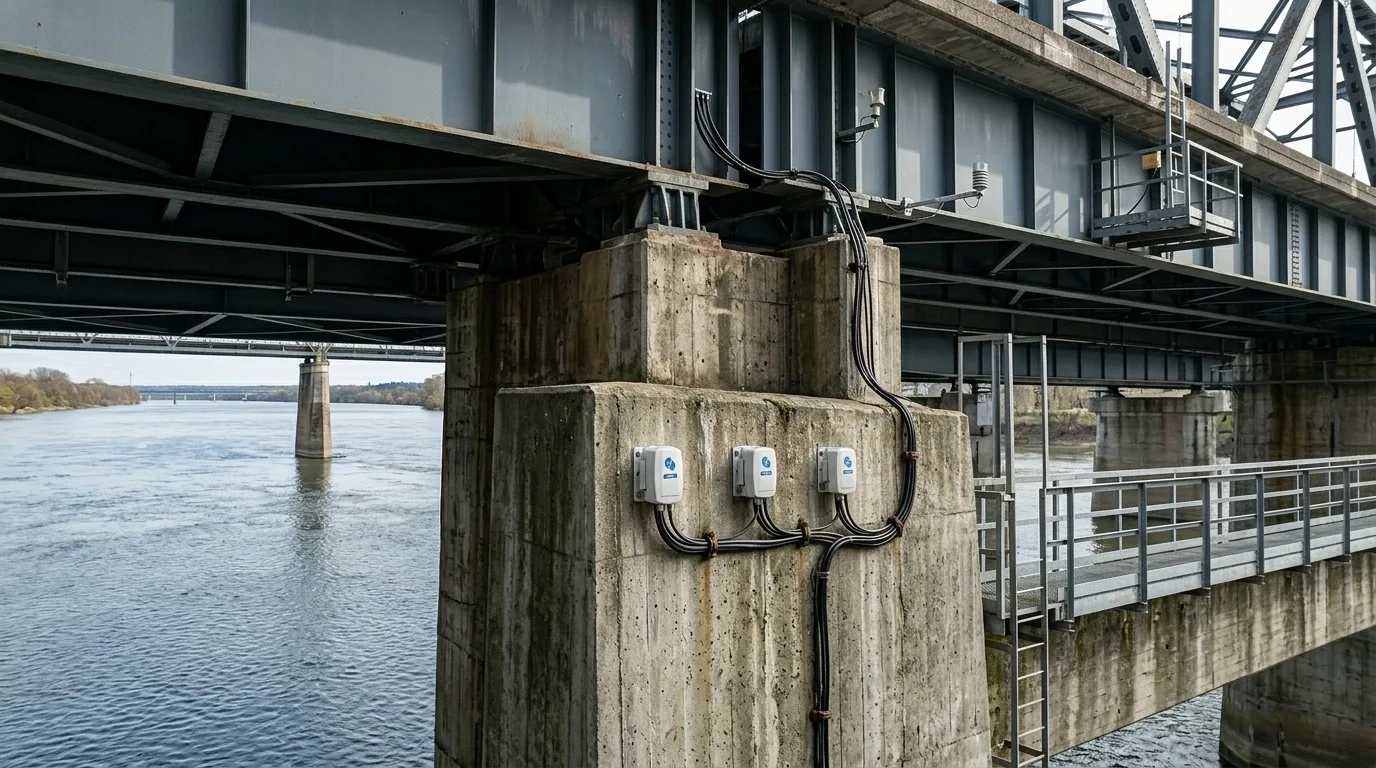
Structural Health Monitoring
Real-time intelligence for structures that cannot afford to fail — continuous sensing, instant alerts, and predictive analytics in one integrated platform.
Continuous Structural Health Monitoring for Critical Infrastructure
From single-span bridges to city-wide rail networks, Sentra deploys purpose-built IoT systems that deliver structural intelligence around the clock.
End-to-End SHM, Purpose-Built for Your Asset
Sentra's Structural Health Monitoring service combines high-fidelity sensors — GNSS, accelerometers, tiltmeters, vibrating wire gauges — with edge-enabled data acquisition gateways and cloud-hosted analytics to give asset owners a continuous, real-time picture of structural behaviour. Our engineers design each monitoring programme around the specific failure modes of your structure: fatigue cracking in steel railway bridges, differential settlement in high-rise foundations, concrete spalling in highway flyovers, or seepage-driven instability in dams. Thresholds and alerts are calibrated against structural design limits so your team receives only meaningful, actionable notifications — not noise. Whether you need a short-term construction-phase monitoring system or permanent lifetime surveillance, we scale from a single sensor node to multi-site enterprise deployments with role-based dashboards, API integrations, and automated reporting. Our approach is grounded in AI-driven infrastructure monitoring techniques that transform raw sensor data into actionable structural intelligence.
GNSS-based millimetre-precision tracking of vertical and horizontal displacements, long-term settlement trends, and differential movement between critical structural points.
Multi-axis accelerometers capture modal frequencies, damping ratios, and peak acceleration under live traffic and environmental loads to detect stiffness degradation.
Vibrating wire strain gauges and foil gauges measure live load strains, residual stresses, and cumulative fatigue damage accumulation on critical structural members.
High-resolution tiltmeters and laser tiltmeters monitor angular rotation of piers, pylons, retaining walls, and towers with sub-arcminute accuracy.
Automated crack gauges track opening, closing, and propagation of known cracks in concrete and masonry, with configurable alert thresholds tied to structural limit states.
Distributed temperature sensors capture thermal gradients, seasonal expansion cycles, and freeze-thaw effects that drive long-term structural movement and cracking.
Measurable Outcomes
Quantifiable results delivered through our monitoring and engineering solutions across infrastructure projects.
Track Record
Proven deliveryEfficiency Gains
Optimised operationsReliability
Always onHow It Works
A structured, engineering-led process from initial site survey through to ongoing 24/7 monitoring and expert reporting.
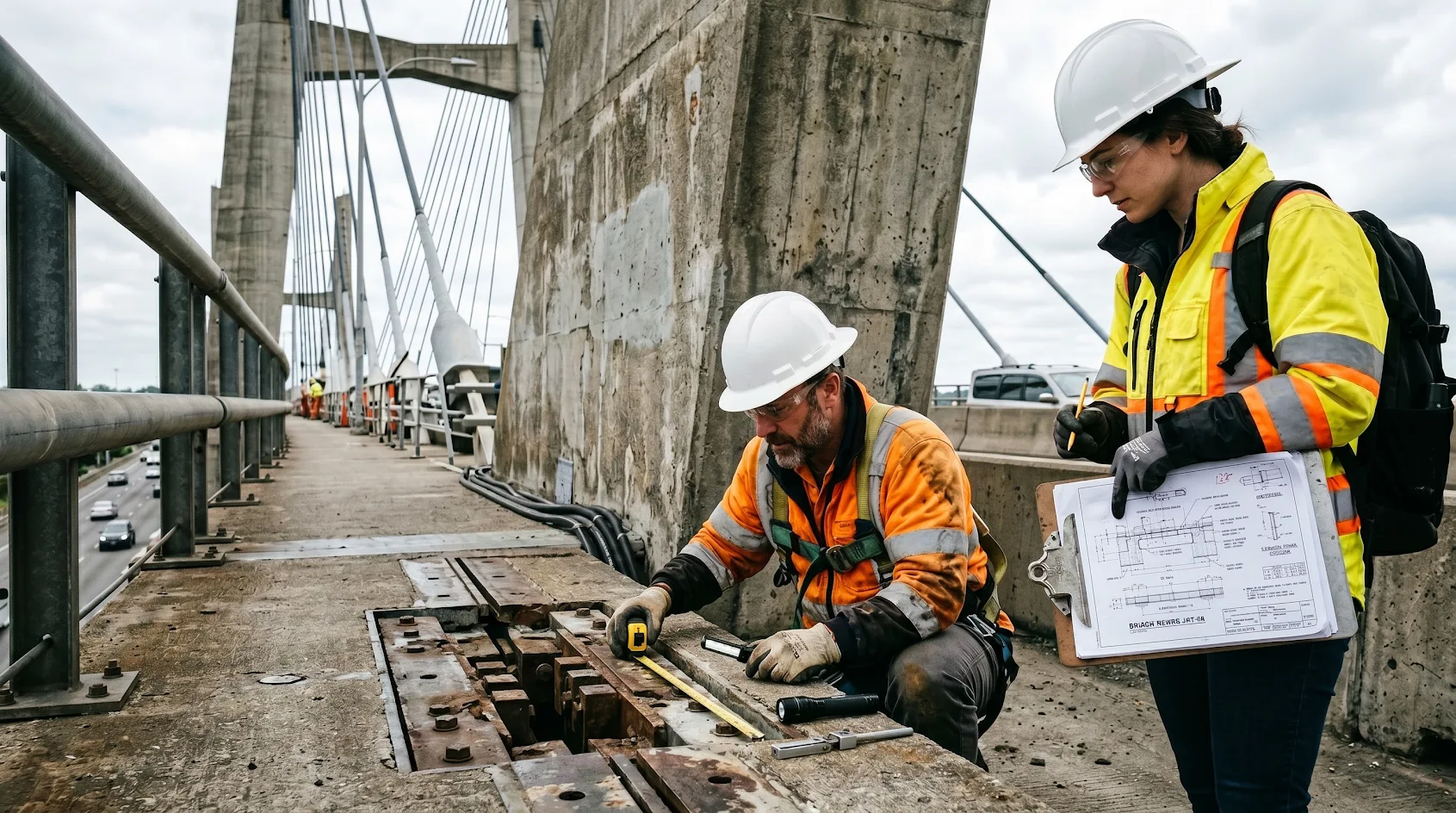
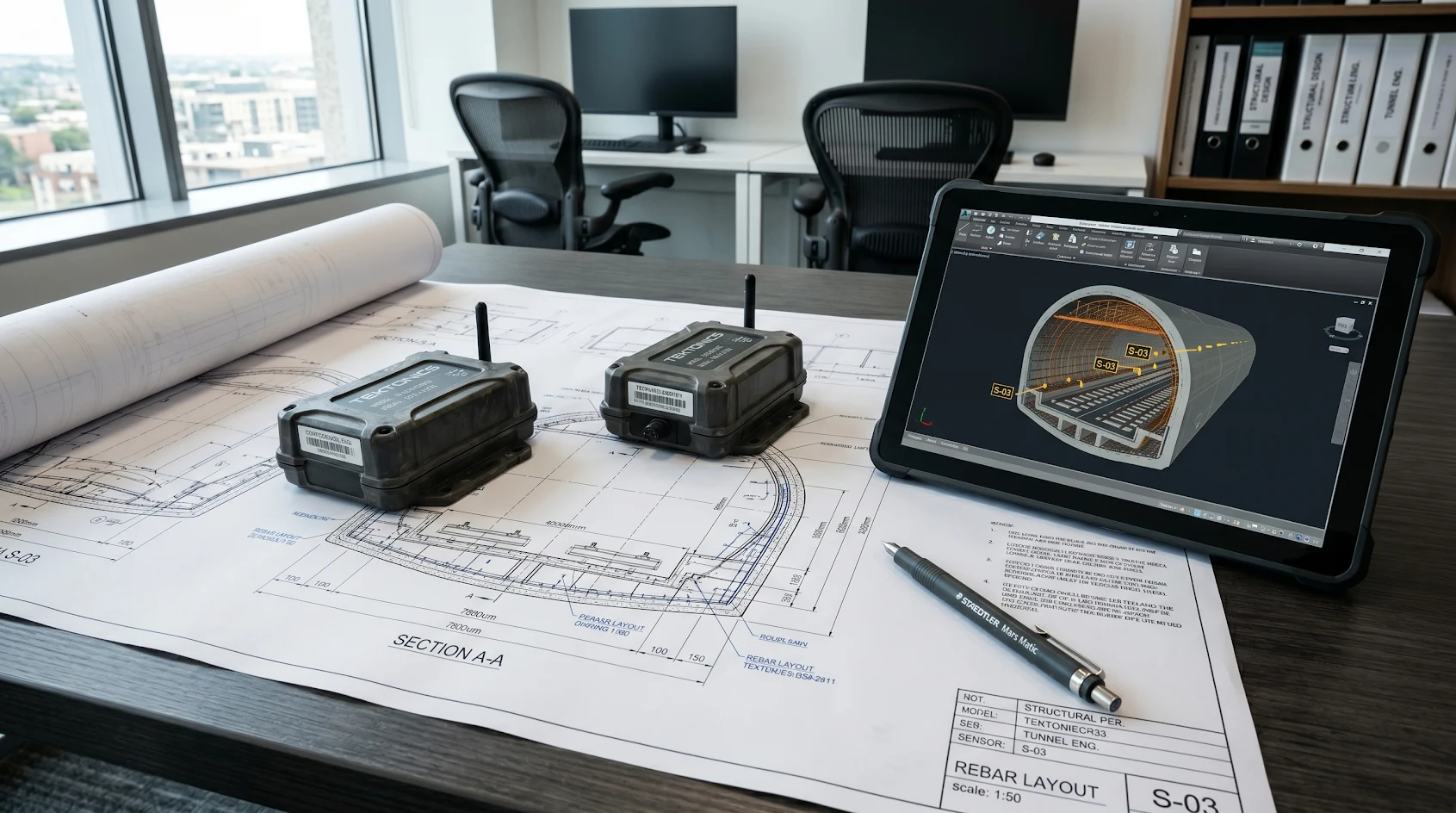
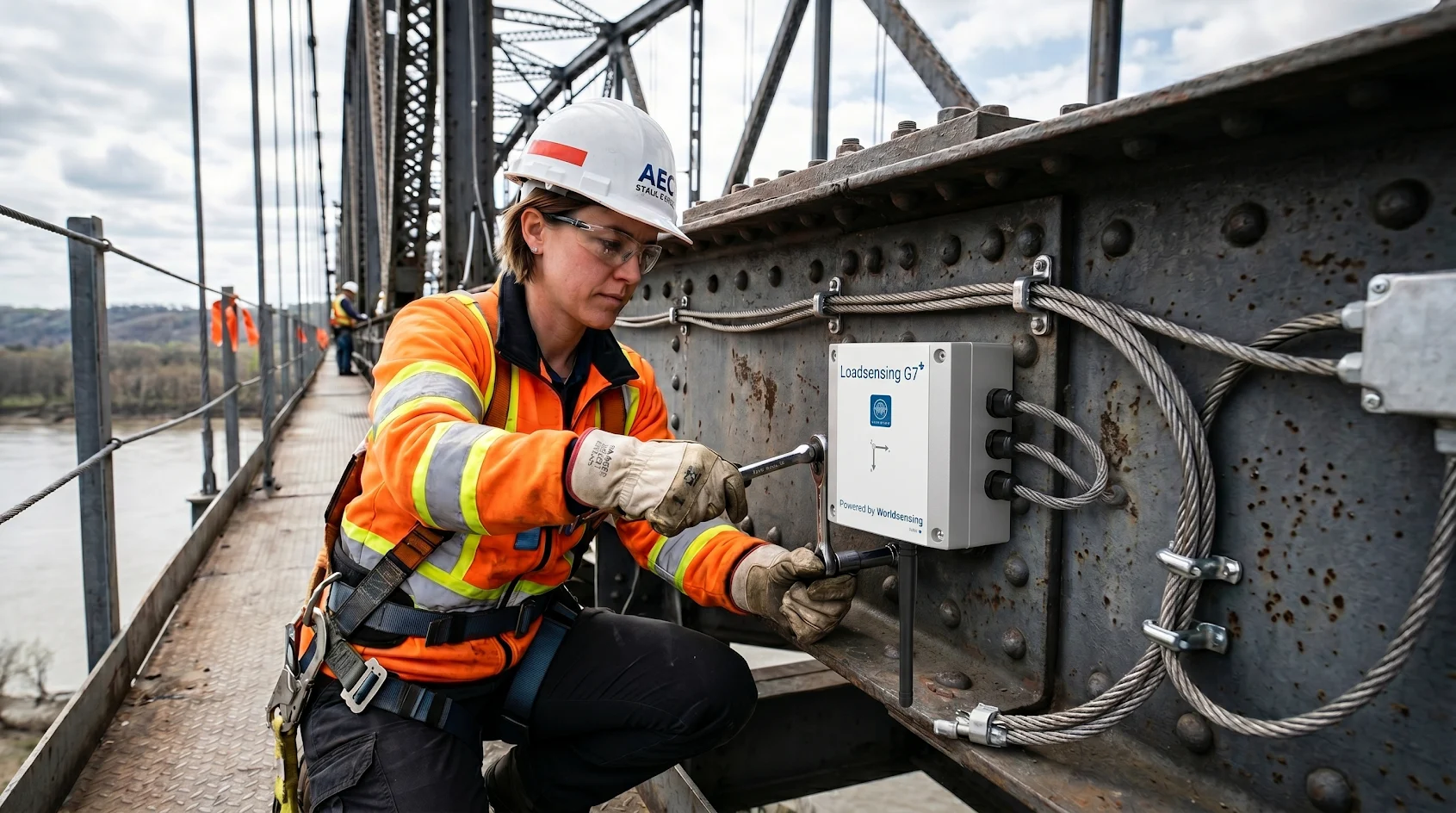
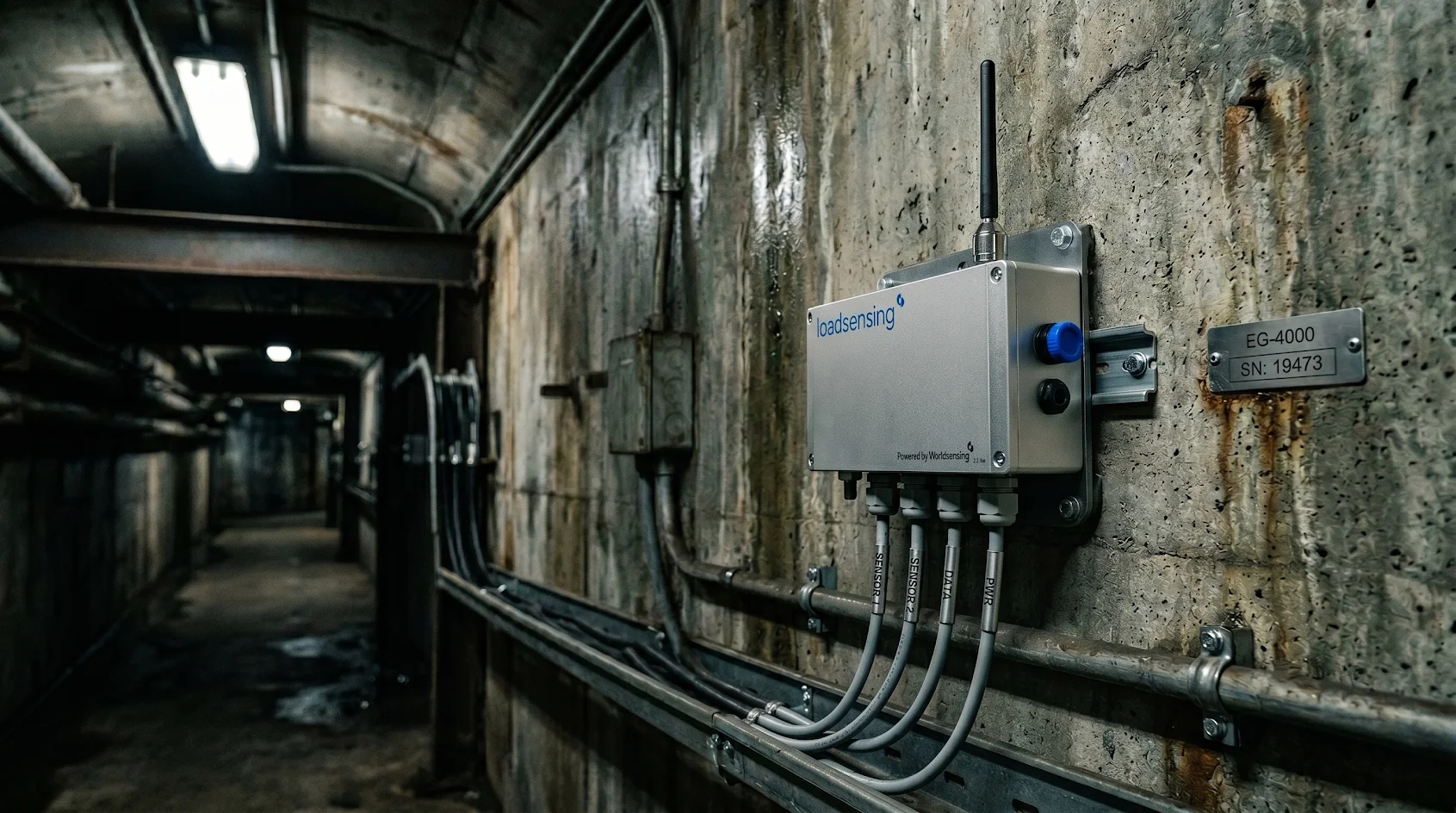
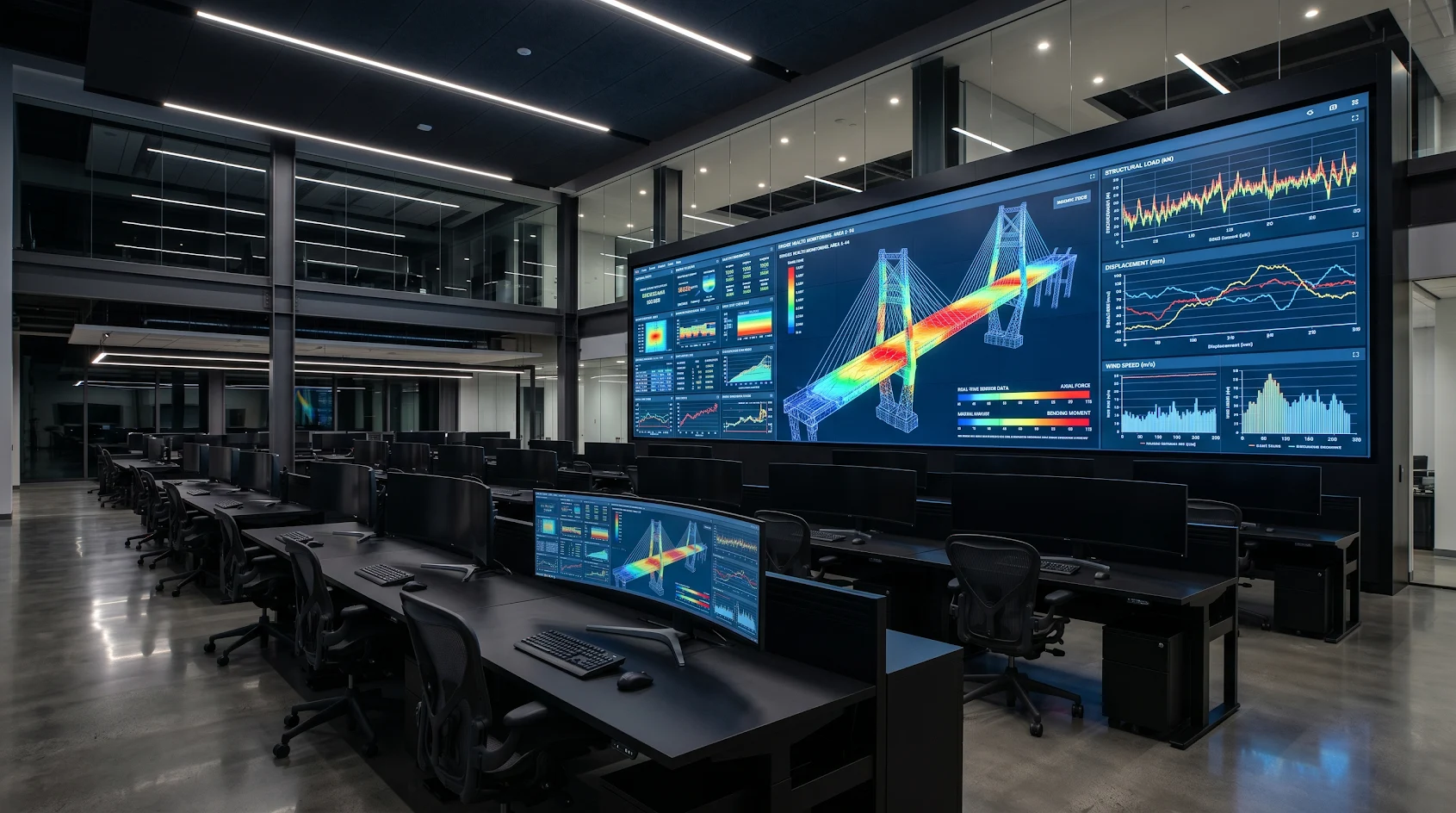

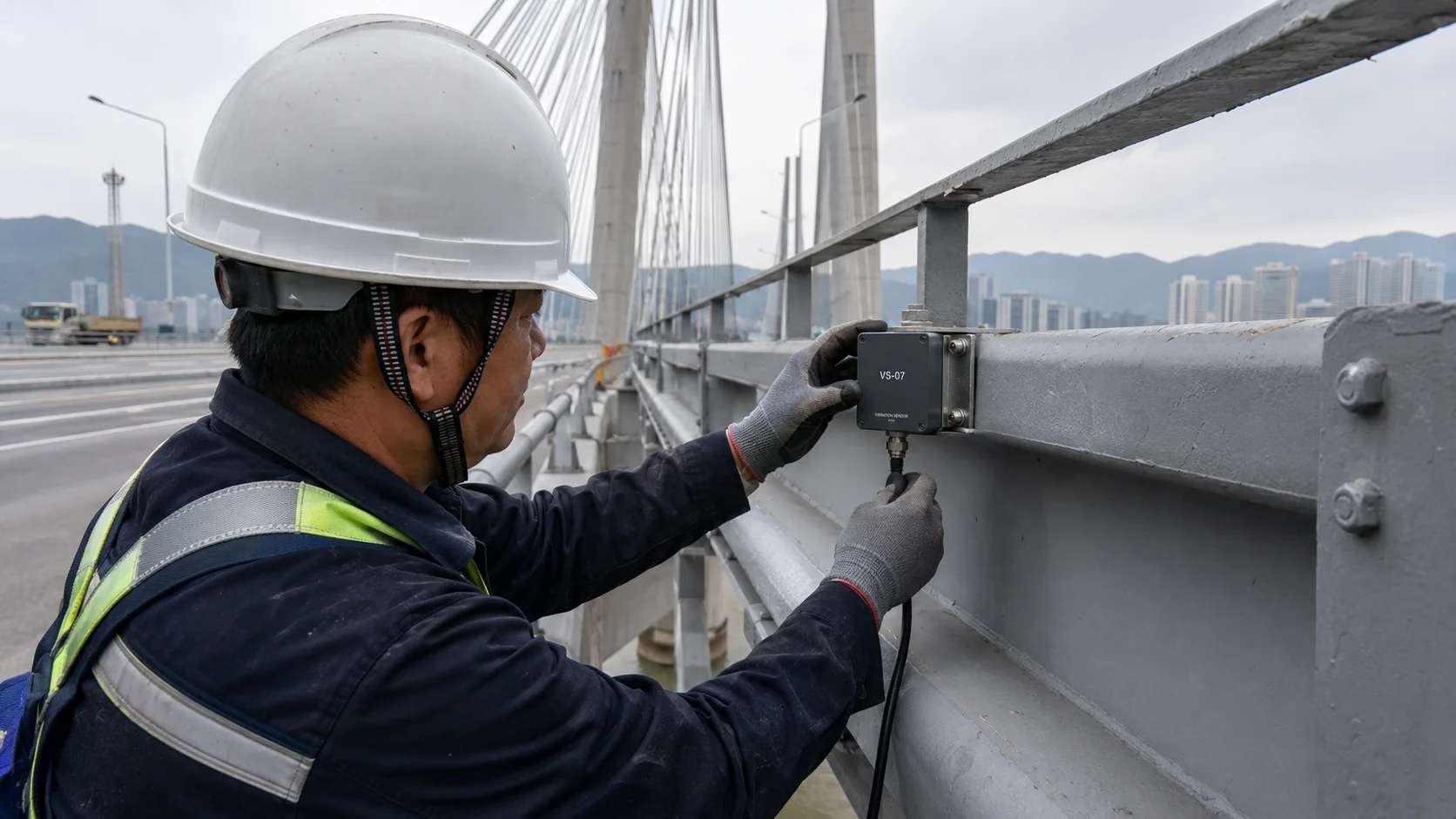
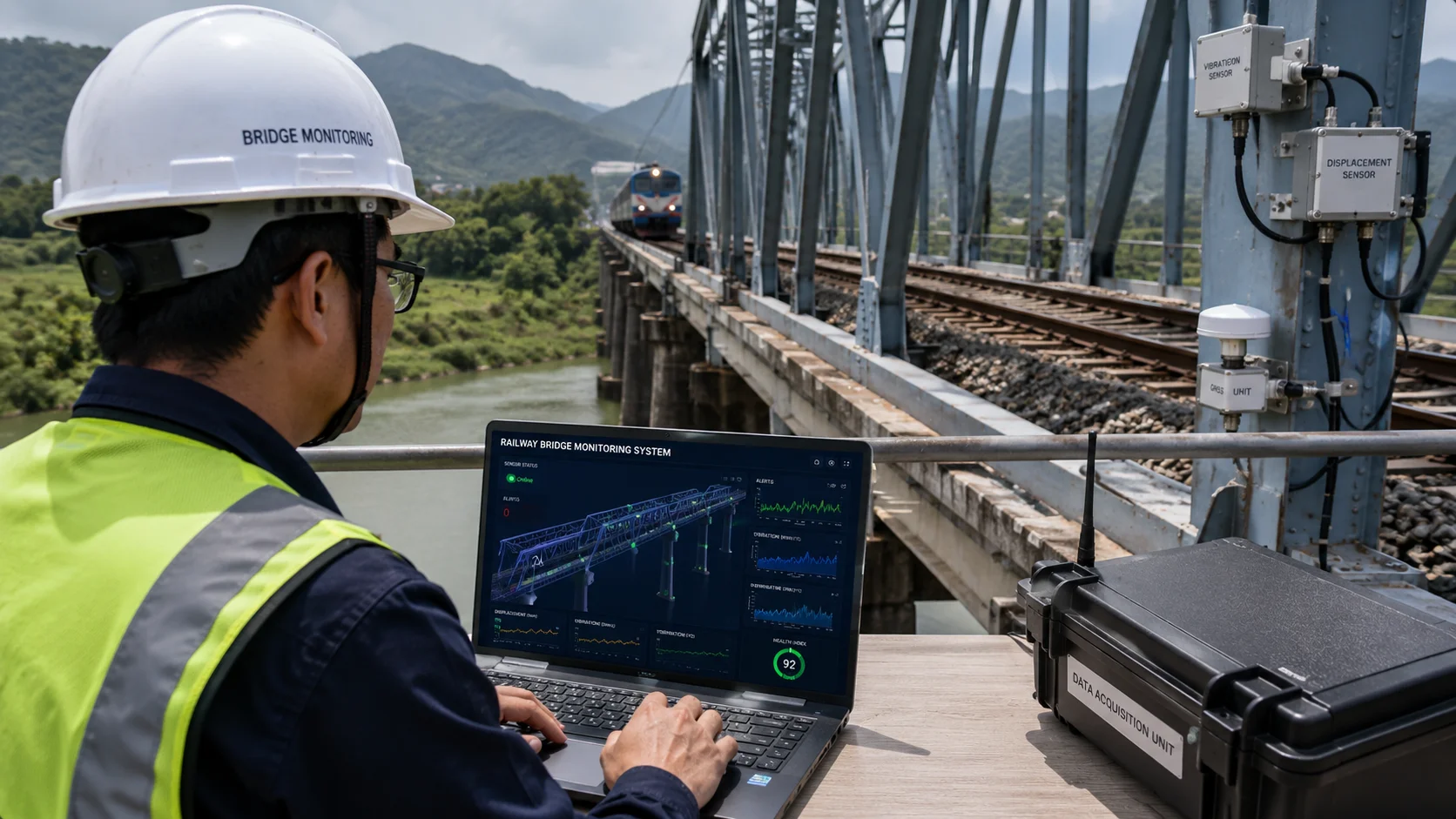
See Our Solutions in Action
Real deployments, real impact — from field instrumentation to command centre dashboards.
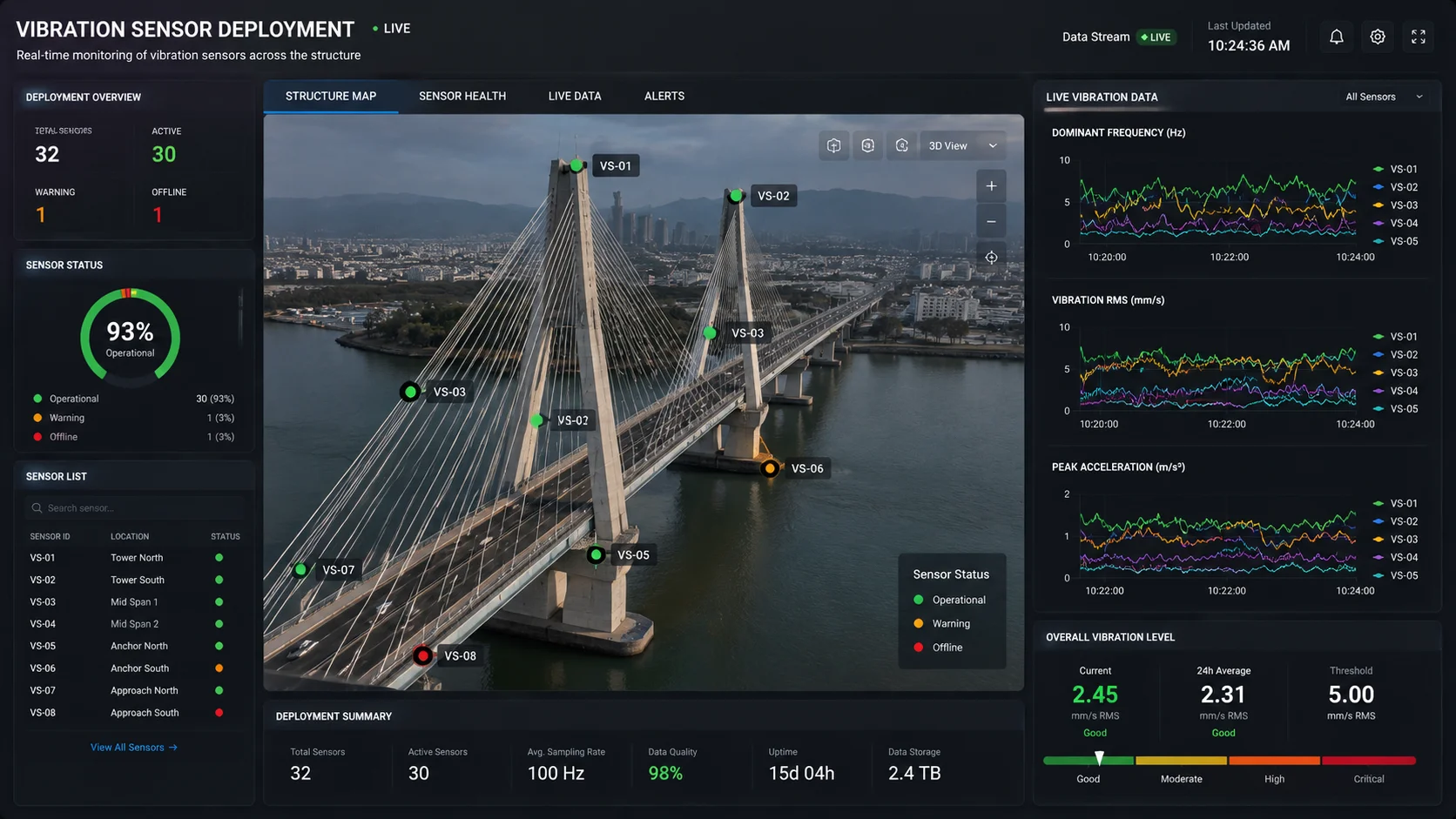
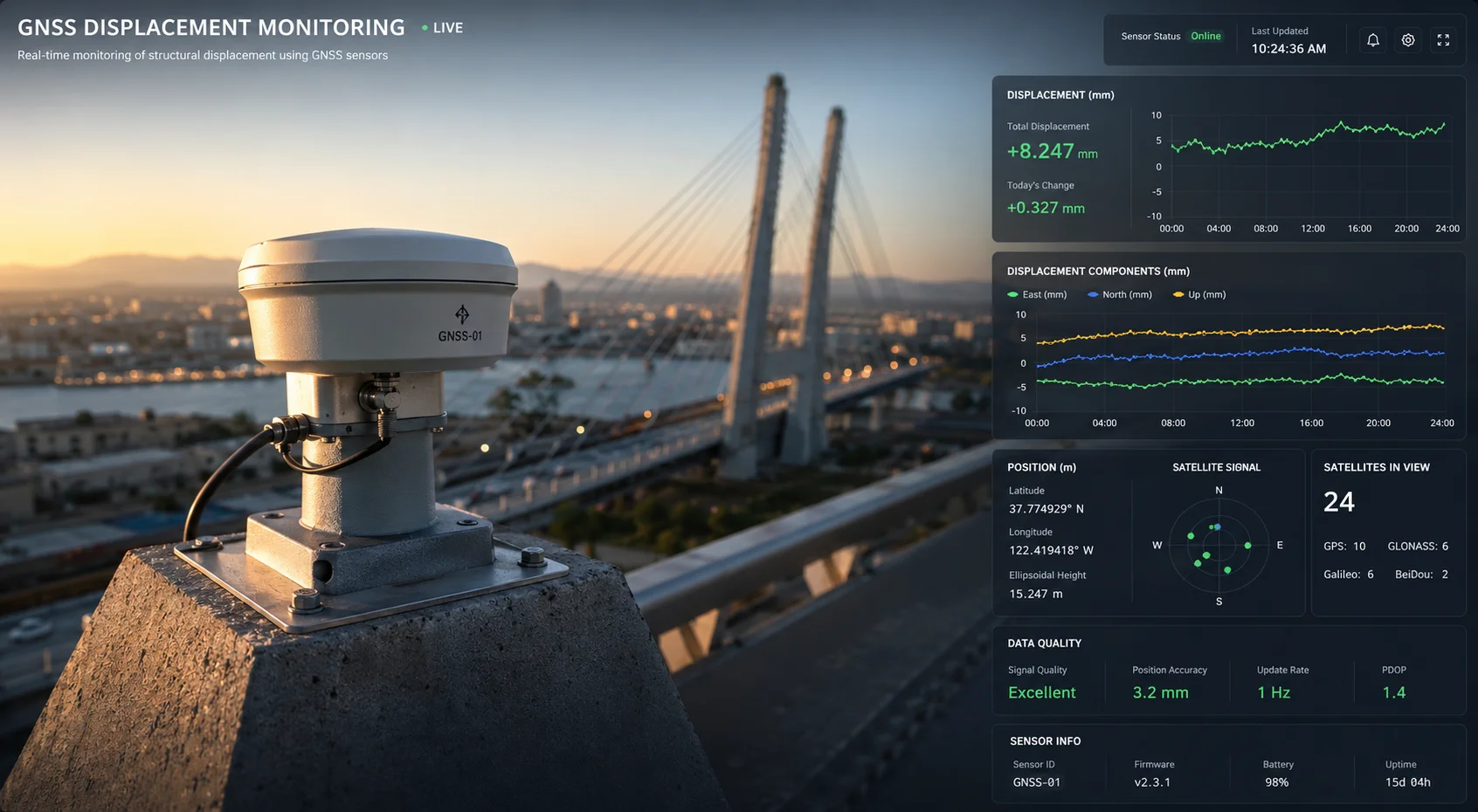

How Structural Health Monitoring Helps Your Organisation
Quantifiable outcomes that transform how infrastructure owners manage, maintain, and extend the life of their assets.
What It Prevents
The real cost of not monitoring is measured in emergency closures, catastrophic repairs, and legal liability. SHM eliminates these risks before they materialise.
Industries We Serve
Sentra's SHM solutions are tailored for the asset types, operating environments, and regulatory frameworks of each sector.
Why Choose Sentra
Success Stories in Action
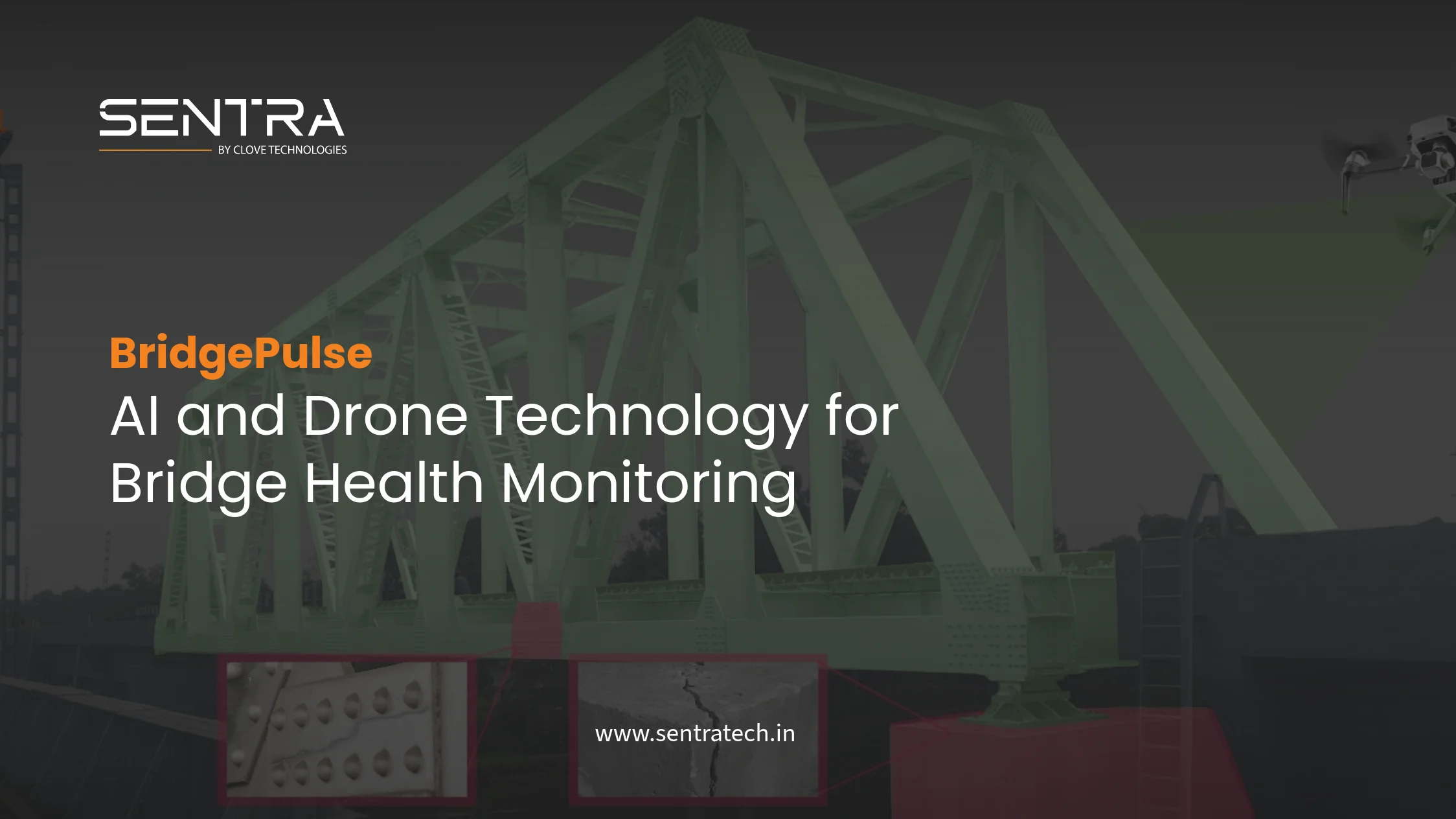
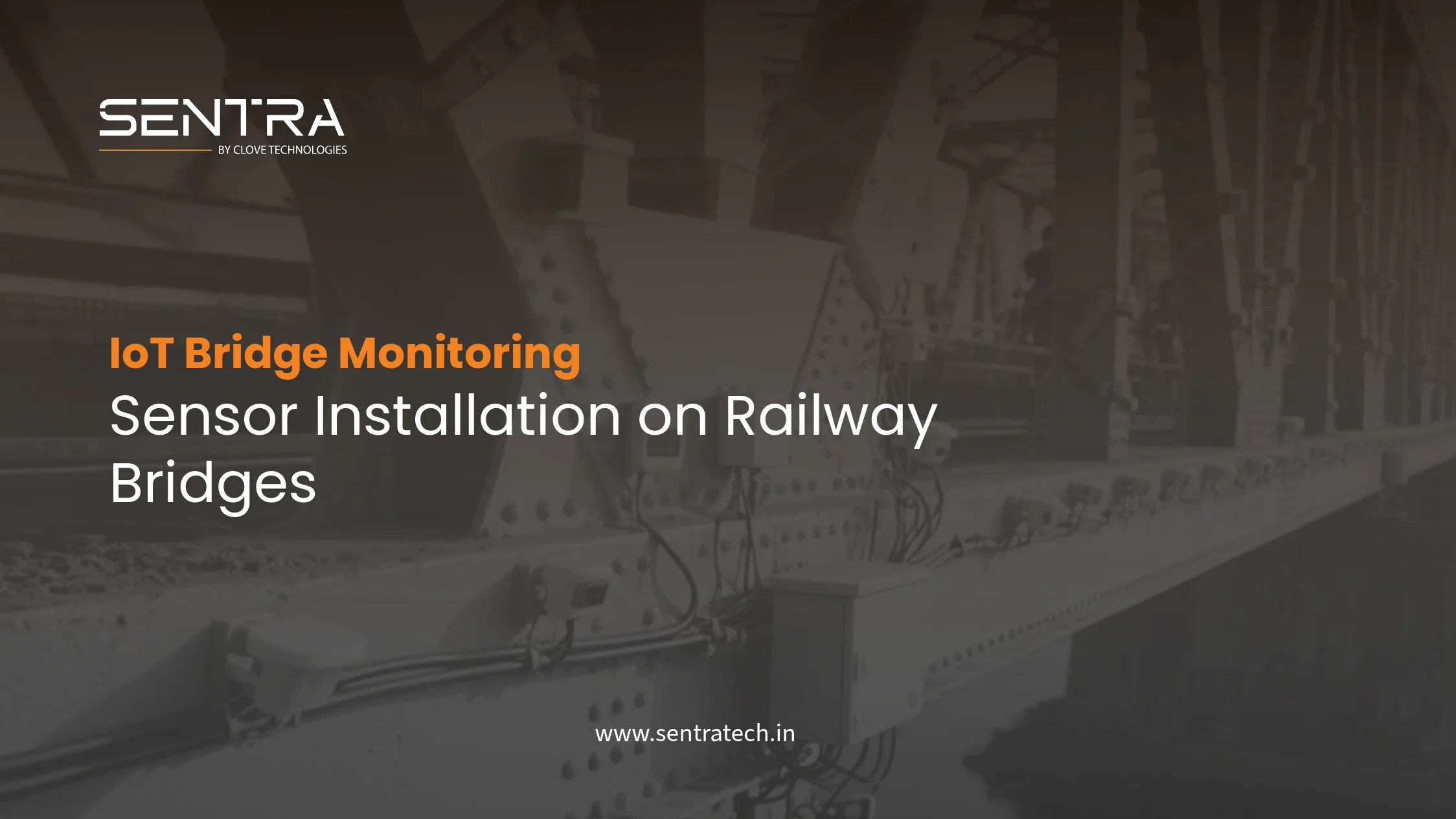
Real-world deployments of our structural health monitoring technology delivering measurable outcomes.
Related Solutions
Complementary services that work alongside structural health monitoring for comprehensive infrastructure protection.
Frequently Asked Questions
Can't find what you're looking for? Contact our team — we're happy to help.
We deliver end-to-end Structural Health Monitoring services: site survey and risk assessment, custom SHM programme design, sensor procurement and professional installation, edge-enabled data acquisition and secure gateways, 24/7 real-time analytics and alerting, digital-twin visualisation, predictive maintenance models, monthly performance reports, system integration with asset management or SCADA platforms, and ongoing operational support.
You will see useful sensor readings and basic alerts within hours to days of installation. Actionable trends and a reliable structural baseline typically emerge within 2–6 weeks of continuous data collection. Advanced predictive models and full digital-twin calibration generally require 2–6 months of data, depending on site complexity and traffic or environmental cycles. We recommend a 4–8 week pilot to validate measurements and tune alert thresholds before full deployment.
Yes. We design scalable SHM solutions for single-span bridges up to large multi-site railway networks. Small projects start with a targeted pilot; enterprise clients receive multi-site dashboards with role-based access, comparative performance views across their asset portfolio, and integration with existing asset management systems. Solutions are tailored to budget, regulatory requirements, and available technical resources.
Absolutely. Every installation is customised — from sensor types and sampling rates to analytics configuration, reporting cadence, and integration with your systems. Our process is: site survey → risk and scope definition → modular proposal → optional pilot → full deployment. Custom packages include all documentation, test plans, and handover training.
We recommend starting with a technical site survey and risk assessment. That identifies the structure's critical failure modes — fatigue, corrosion, cracking, settlement — and the sensor mix required. From there we propose a focused pilot or full programme based on your objectives: safety assurance, long-term performance tracking, regulatory compliance, or cost-optimised maintenance scheduling.
Standard monthly reports include an executive summary, sensor health and system uptime, trend plots for all monitored parameters (strain, displacement, vibration, temperature), identified anomalies with engineering interpretation, recommended maintenance actions and prioritisation, and a downloadable CSV of key metrics. Custom reporting frequencies — weekly or quarterly — and formats are available on request.
Talk to Our SHM Expert
Tell us about your structure and monitoring objectives. We'll design a programme that fits your asset, budget, and timeline — with no obligation.