
Bridge Inspection & Condition Assessment
Know the true condition of your infrastructure before it fails — drone-assisted inspection, NDT, and AI-powered analysis in one integrated service.
Comprehensive Condition Intelligence for Every Bridge
Sentra combines drone aerial surveys, non-destructive testing, and AI defect analysis to give bridge owners a complete, evidence-based picture of structural condition.
From Visual Survey to Risk-Ranked Engineering Report
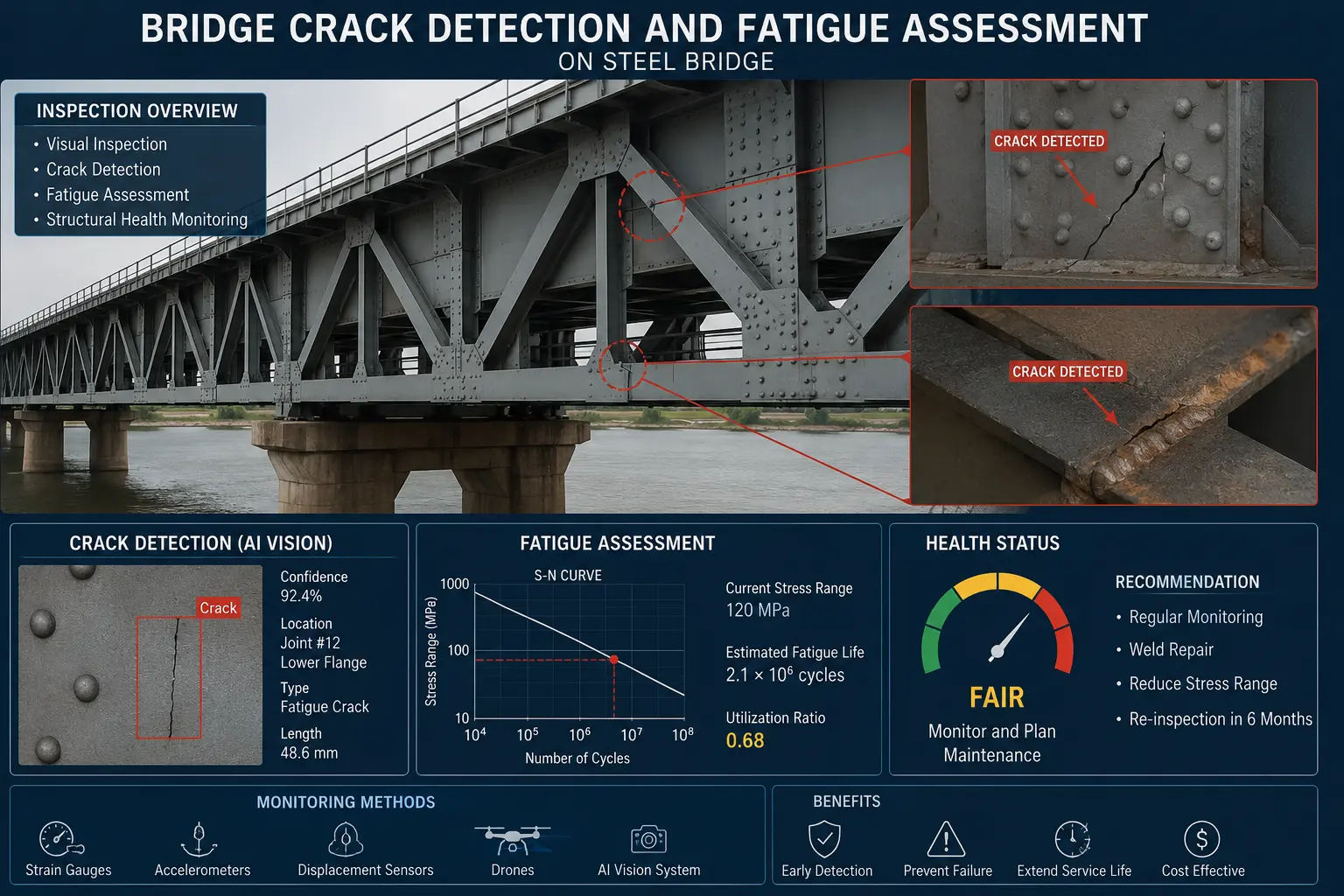
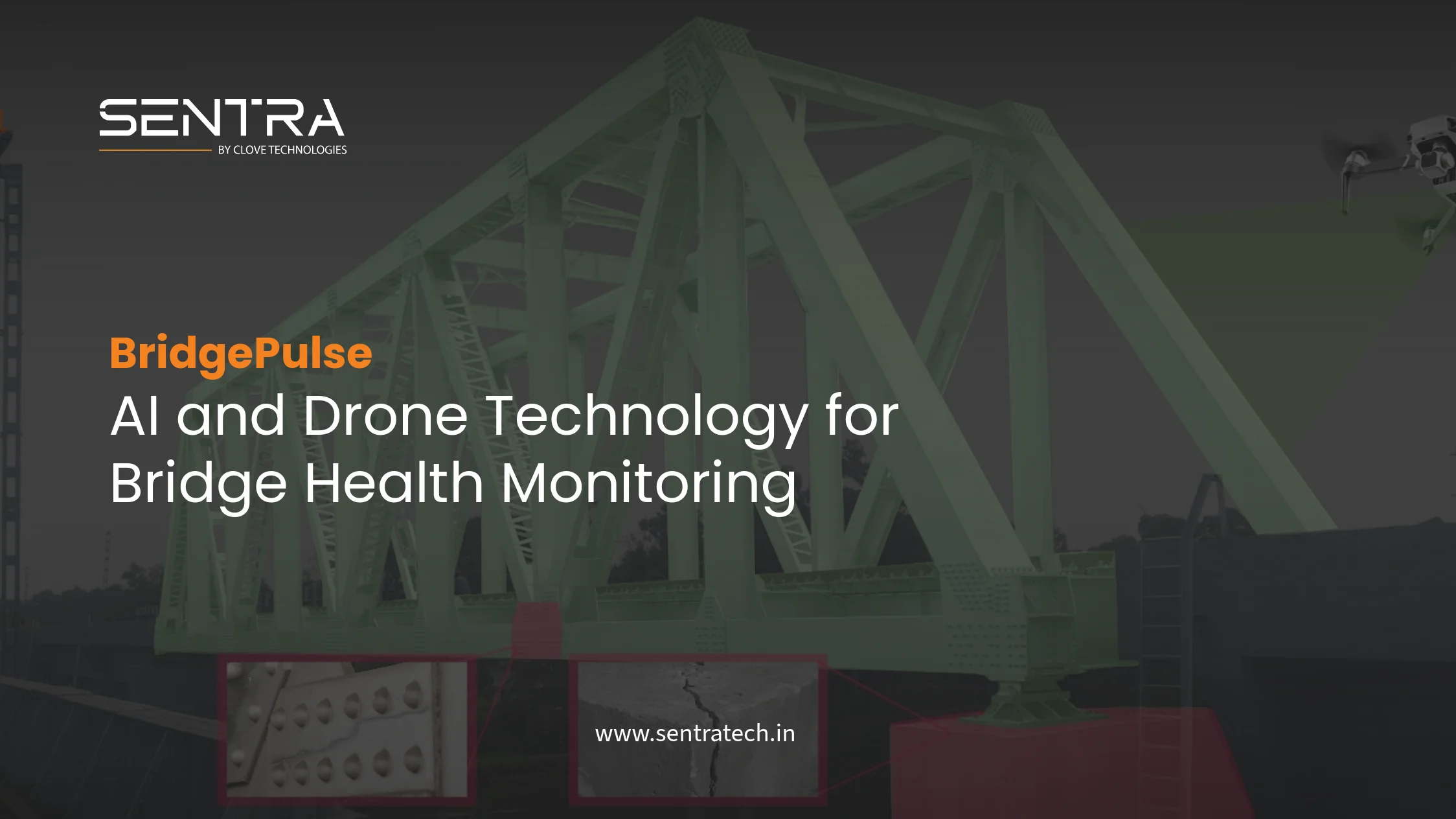
Traditional bridge inspection is time-consuming, expensive, and often incomplete — particularly for elements above water, in confined spaces, or at height. Sentra's integrated inspection service replaces that model with a technology-driven approach that covers every accessible and inaccessible element. Our inspection teams combine close visual inspection with UAV drone surveys, NDT techniques including ultrasonic testing, radiography, and magnetic particle inspection, and AI-powered defect detection from high-resolution imagery. The result is a complete condition dataset, not a set of inspector notes that vary in quality and completeness. All findings are rated using recognised condition rating frameworks and delivered in digital, searchable reports with photographic evidence, defect mapping on structure drawings, and a prioritised maintenance schedule. Clients receive a report they can act on immediately — and one that stands up to regulatory scrutiny.
Systematic close-visual inspection and drone imagery capture cracks, spalling, delamination, efflorescence, and surface damage across all accessible bridge elements with georeferenced defect mapping.
Half-cell potential mapping, cover depth measurement, and chloride profiling assess reinforcement corrosion risk in concrete structures, while visual and NDT methods evaluate steel section loss.
Total station and laser scanning surveys measure vertical sag, horizontal deviation, and differential settlement of deck, piers, and abutments against design geometry.
Analytical assessment of current load-carrying capacity integrating as-built records, deterioration findings, and where required, proof-load testing protocols.
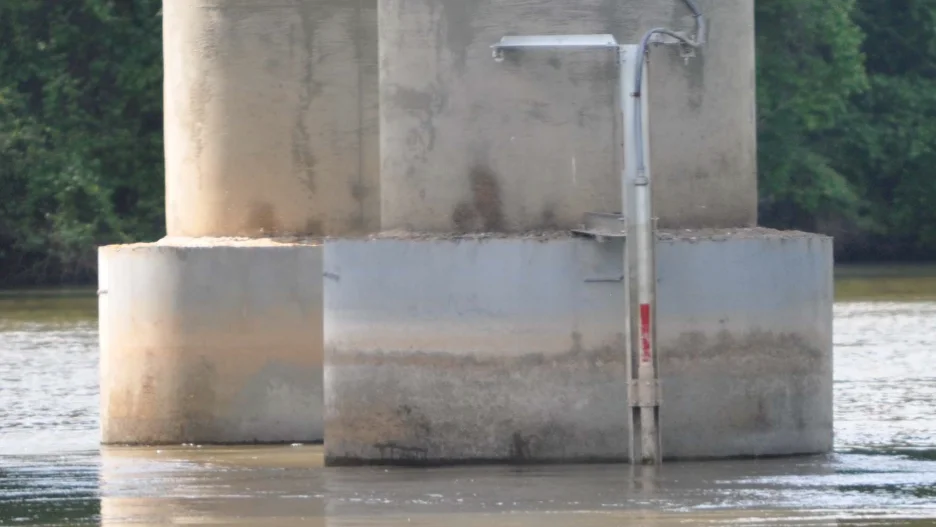
Underwater inspection, scour assessment, and sonic echo testing evaluate pier and abutment foundation condition, scour depth, and bearing capacity in hydraulic environments.
Expansion joint and bearing condition assessment identifies failed seals, seized bearings, voided bearing seats, and deteriorated joint filler that drive deck and pier damage.
Measurable Outcomes
Quantifiable results delivered through our monitoring and engineering solutions across infrastructure projects.
Track Record
Proven deliveryEfficiency Gains
Optimised operationsReliability
Always onHow It Works
A systematic inspection process from initial survey through to risk-ranked reporting and maintenance planning.
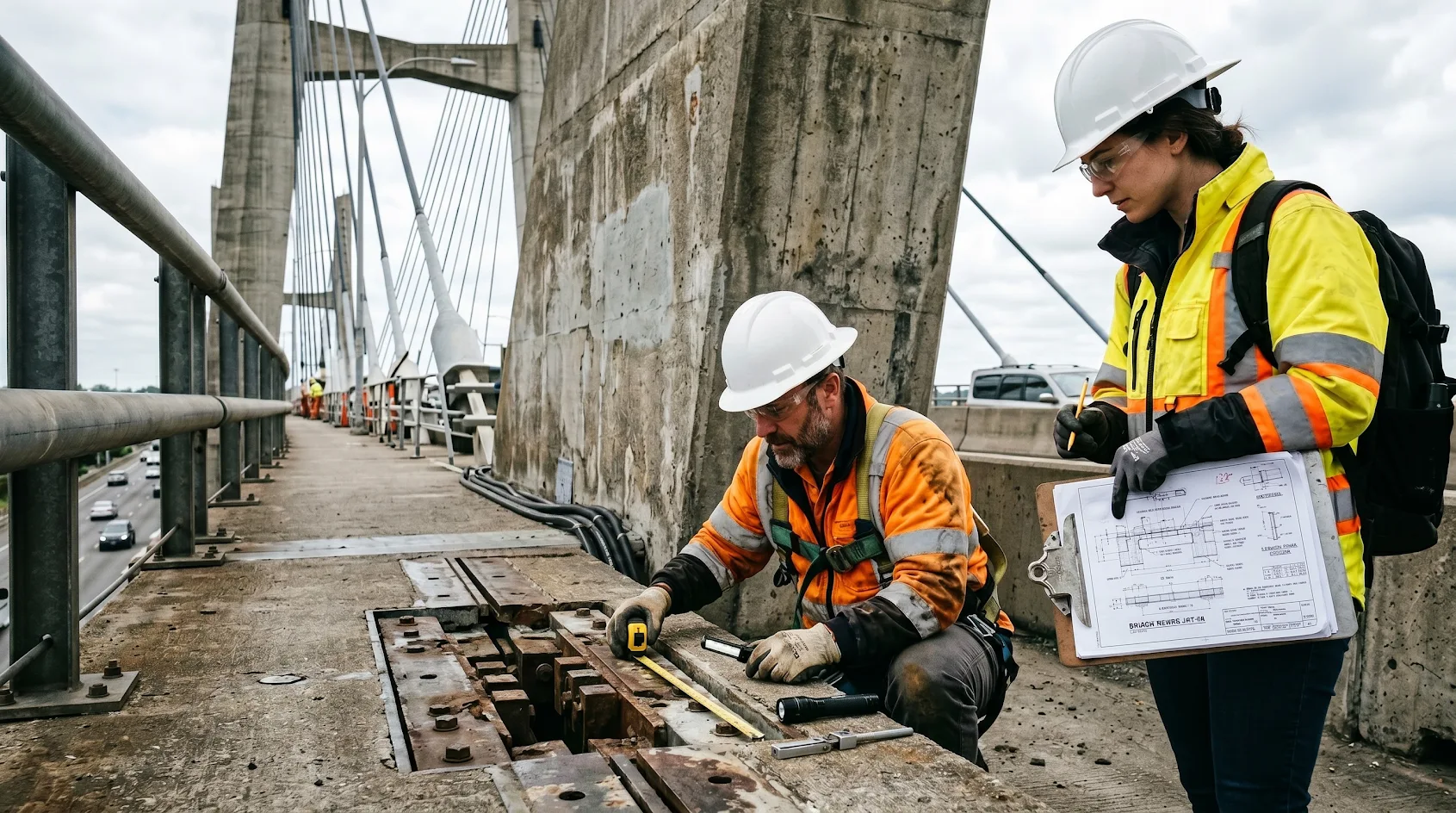
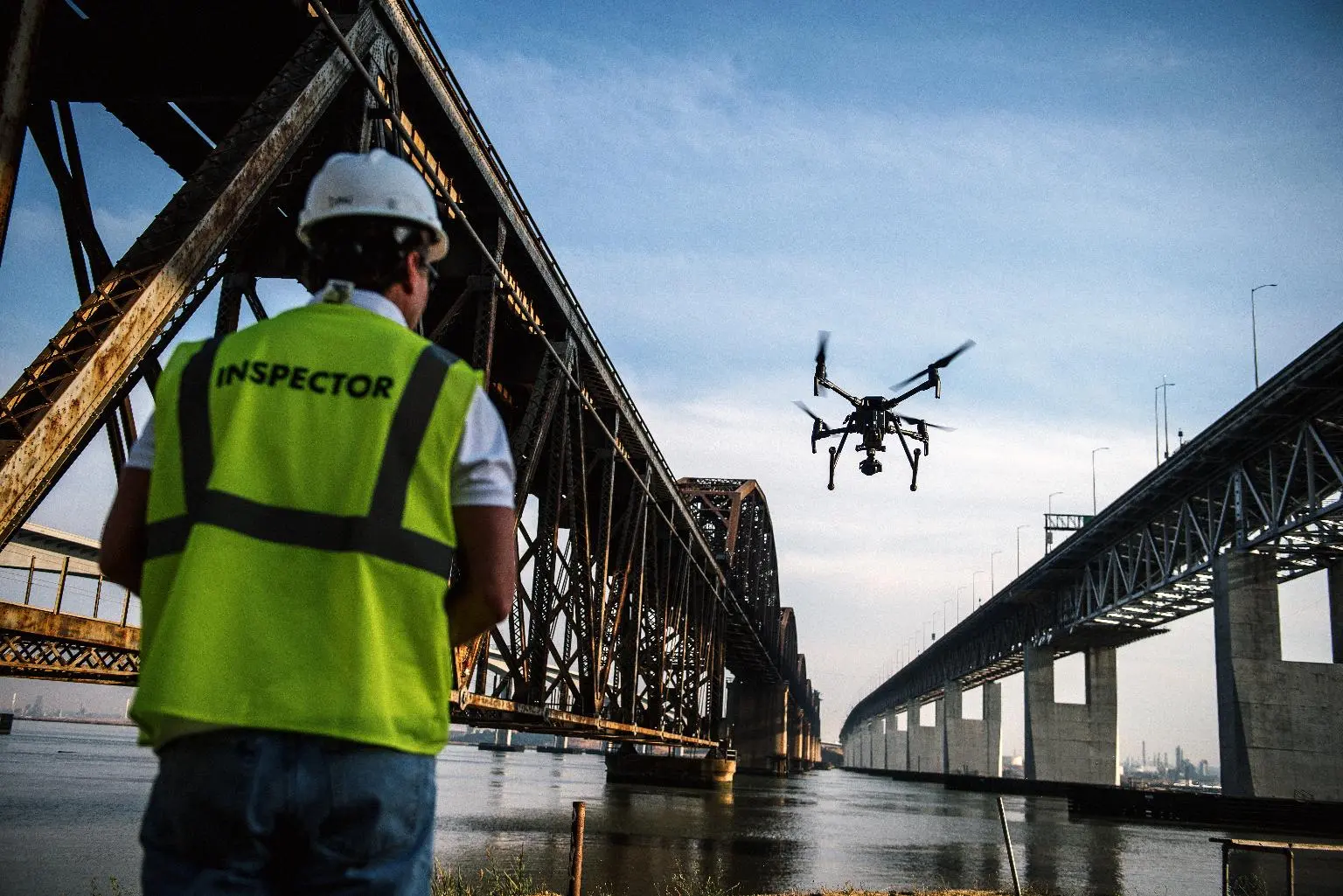
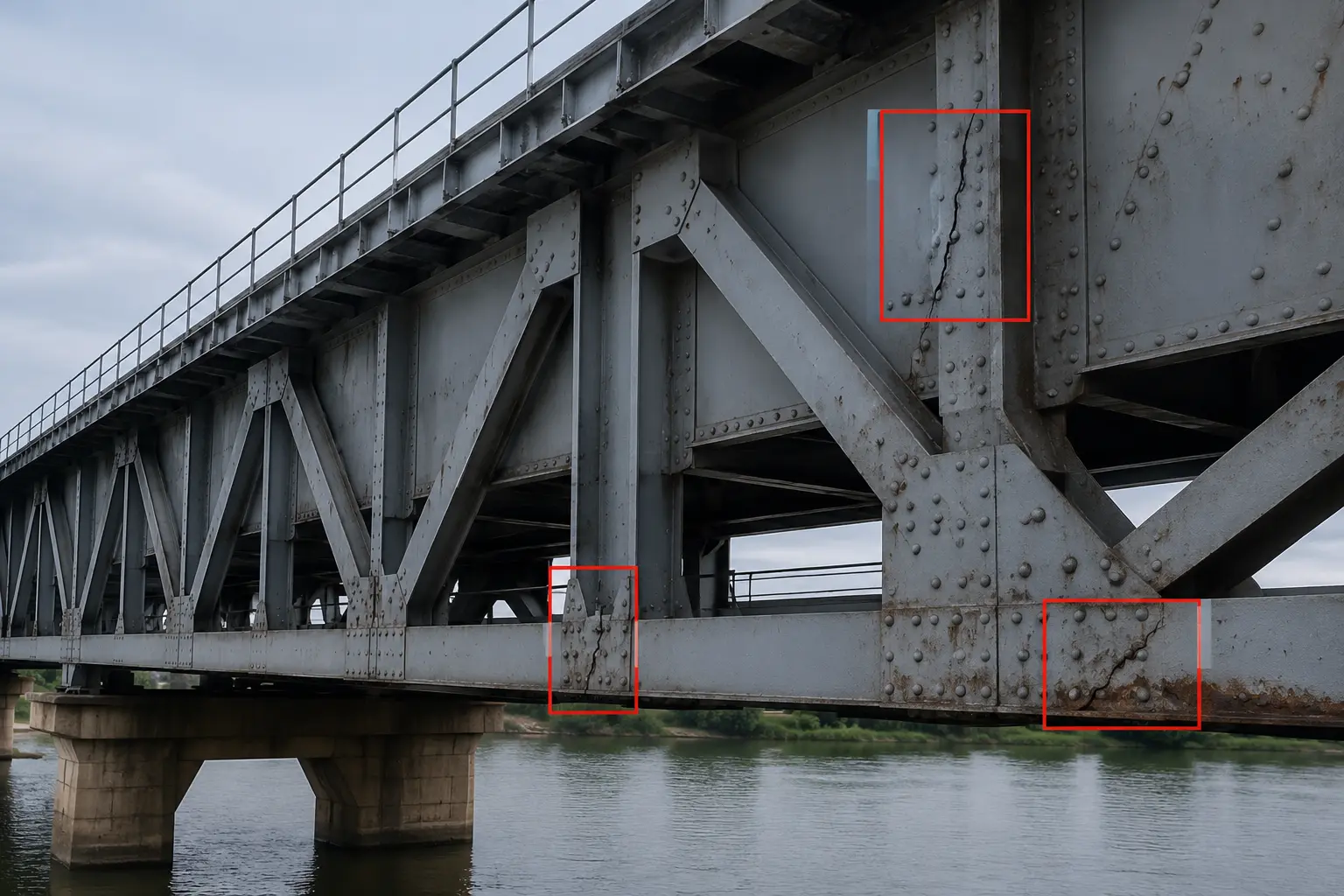


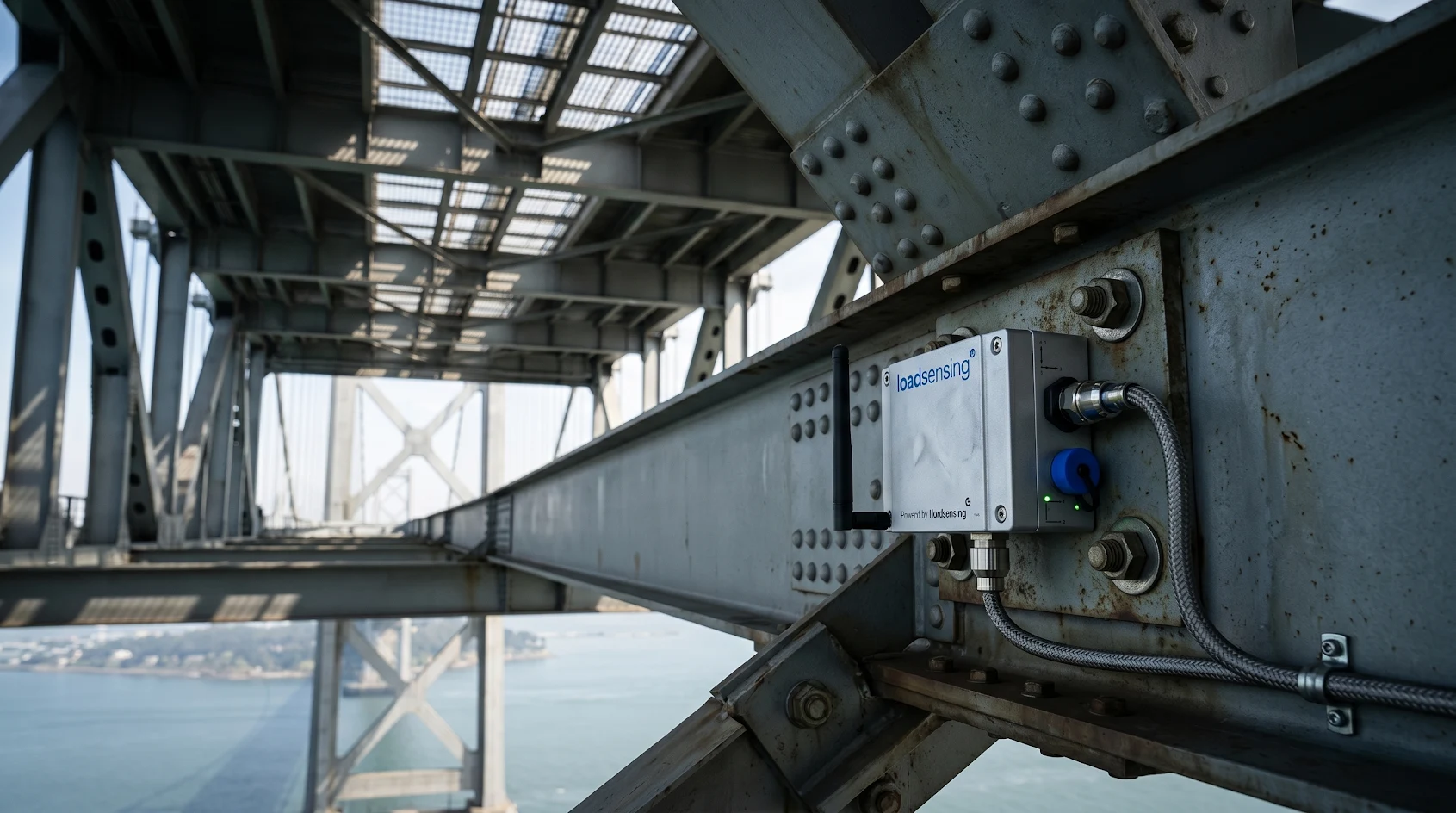
See Our Solutions in Action
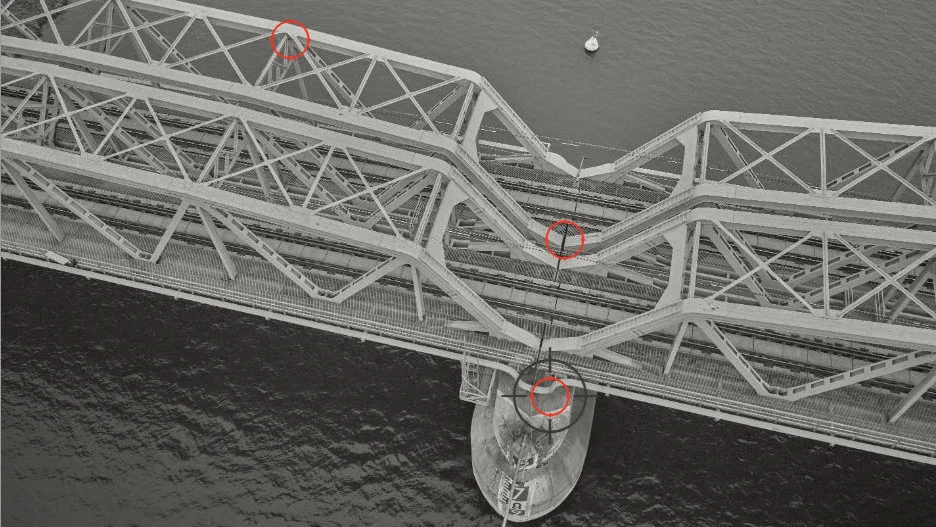
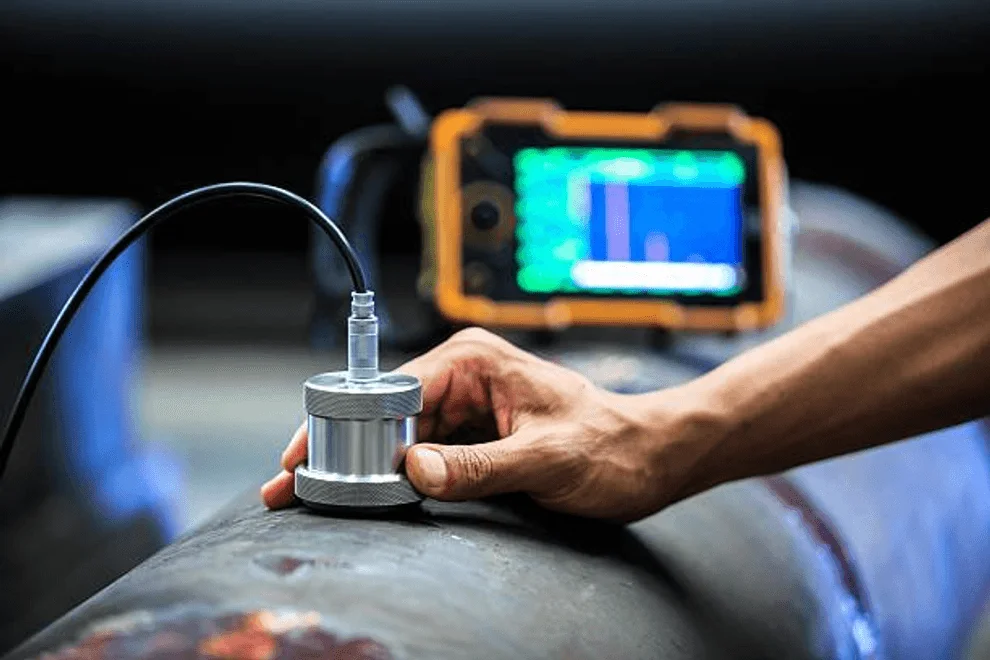
Real deployments, real impact — from field instrumentation to command centre dashboards.

How It Helps Your Organisation
Better inspection data leads directly to better maintenance decisions, reduced costs, and safer infrastructure for users.
What It Prevents
Poor condition knowledge is the root cause of most bridge maintenance failures. Our inspection service eliminates the data gaps that lead to costly and dangerous outcomes.
Industries We Serve
Sentra's bridge inspection capability serves the full range of infrastructure owners and public authorities responsible for bridge safety.
Why Choose Sentra
Real-World Inspection Success Stories
See how our bridge inspection and condition assessment services deliver measurable outcomes for infrastructure owners.
Related Solutions
Complementary services that work alongside bridge inspection for comprehensive infrastructure protection.
Real-World Inspection Success Stories
See how our bridge inspection and condition assessment services deliver measurable outcomes for infrastructure owners.
Related Solutions
Complementary services that work alongside bridge inspection for comprehensive infrastructure protection.
Frequently Asked Questions
Can't find what you're looking for? Contact our team — we're happy to help.
Inspection duration depends on bridge size, access requirements, and the scope of NDT. A typical single-span highway bridge inspection using drone and close-visual methods takes 1–2 days on site, with the structured condition report delivered within 5–10 working days. Larger structures or those requiring complex access arrangements take proportionally longer. We provide a detailed mobilisation plan with estimated durations before every inspection.
Drone-based inspection often requires minimal or no lane closures. Close-visual inspection of deck elements and bearings may require traffic management measures. We work with your operations team to plan inspection access that minimises disruption — including night-time working windows for rail bridges and lane-by-lane closures for highway structures. Our goal is always to complete the inspection with the least possible operational impact.
Our standard NDT toolbox for bridge inspection includes: cover depth measurement (cover meter), half-cell potential mapping for corrosion risk, impact-echo and ultrasonic pulse velocity for concrete integrity, ground-penetrating radar for delamination detection and rebar location, Schmidt hammer for surface hardness assessment, and magnetic particle inspection for steel weld defects. The specific methods deployed are selected based on the structure type and defects of concern identified during desk study.
Yes. Drone inspection is particularly effective for bridges over water, deep gorges, and high structures where rope access is expensive and risky. For underwater elements — pile caps, pier bases, and scour assessment — we work with partner underwater inspection specialists. For confined spaces, we deploy compact inspection cameras and borescopes. Difficult-access inspection is one of the primary use cases for our drone capability.
Inspection reports are delivered as structured digital documents (PDF and Excel) containing: executive summary, structure inventory and general description, element-by-element condition ratings, defect schedule with location references, photographic evidence for every recorded defect, NDT test results and interpretation, risk priority ranking, and recommended maintenance actions with cost estimates. Reports are structured to align with standard inspection frameworks and are suitable for regulatory submission.
Standard practice for highway bridges is a routine inspection every 2 years and a principal inspection every 6 years, with special inspections triggered by events such as floods, vehicle collisions, or seismic activity. Railway bridges typically follow authority-specific inspection intervals. However, we recommend transitioning to a risk-based inspection approach where inspection frequency is tied to the structure's condition rating, age, traffic loading, and consequence of failure — which can optimise inspection spend across a portfolio.