
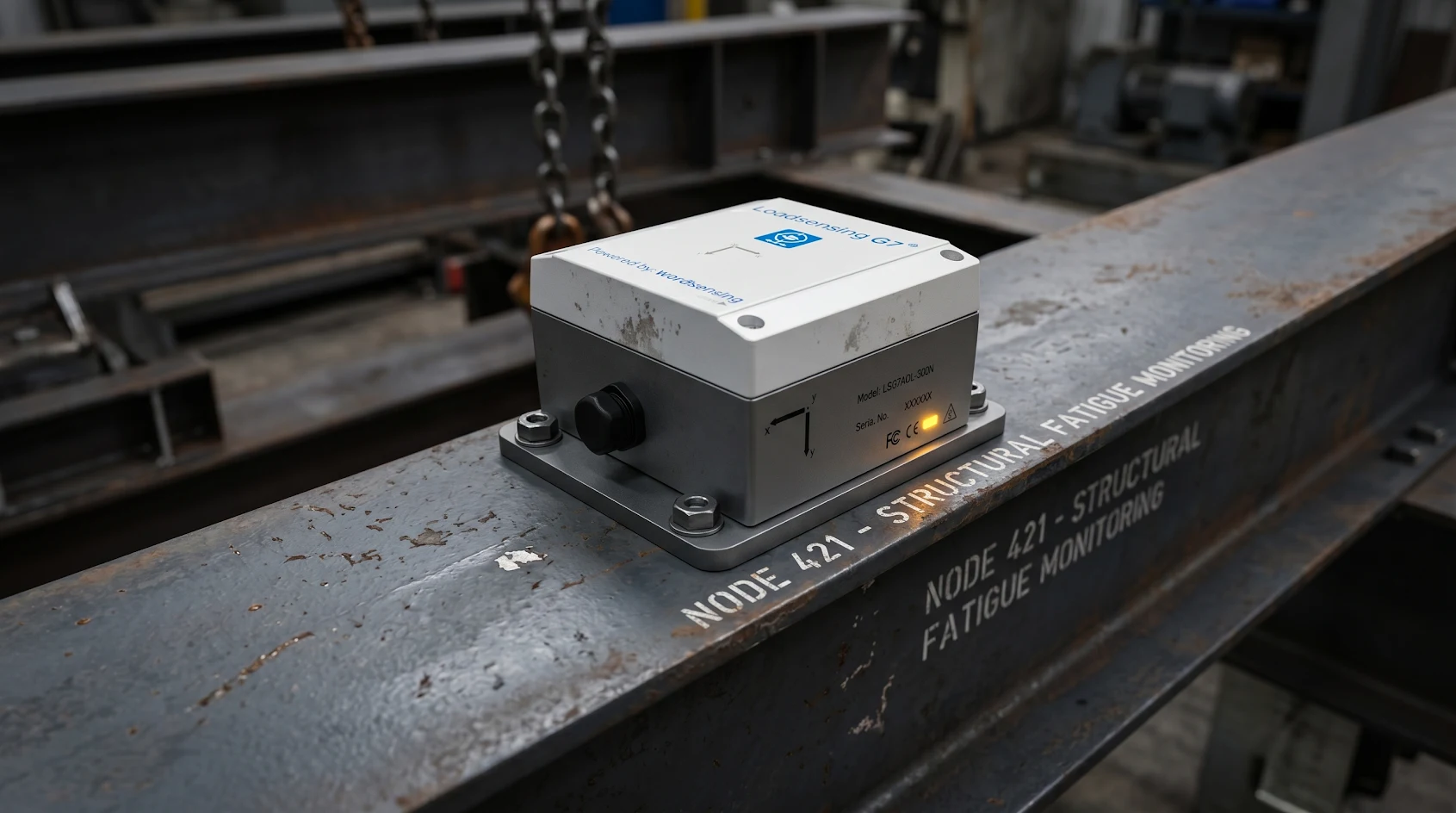
Fatigue & Residual Life Assessment
Quantify remaining life — extend service, reduce cost, manage risk. Engineering-grade fatigue analysis and residual useful life predictions backed by field measurement and international standards.
Engineering Answers to Life Extension Questions
How much longer can this structure safely operate? What maintenance is needed to extend its life? Sentra answers these questions with engineering analysis, not guesswork.
Data-Backed Fatigue Life Prediction for Aging Assets
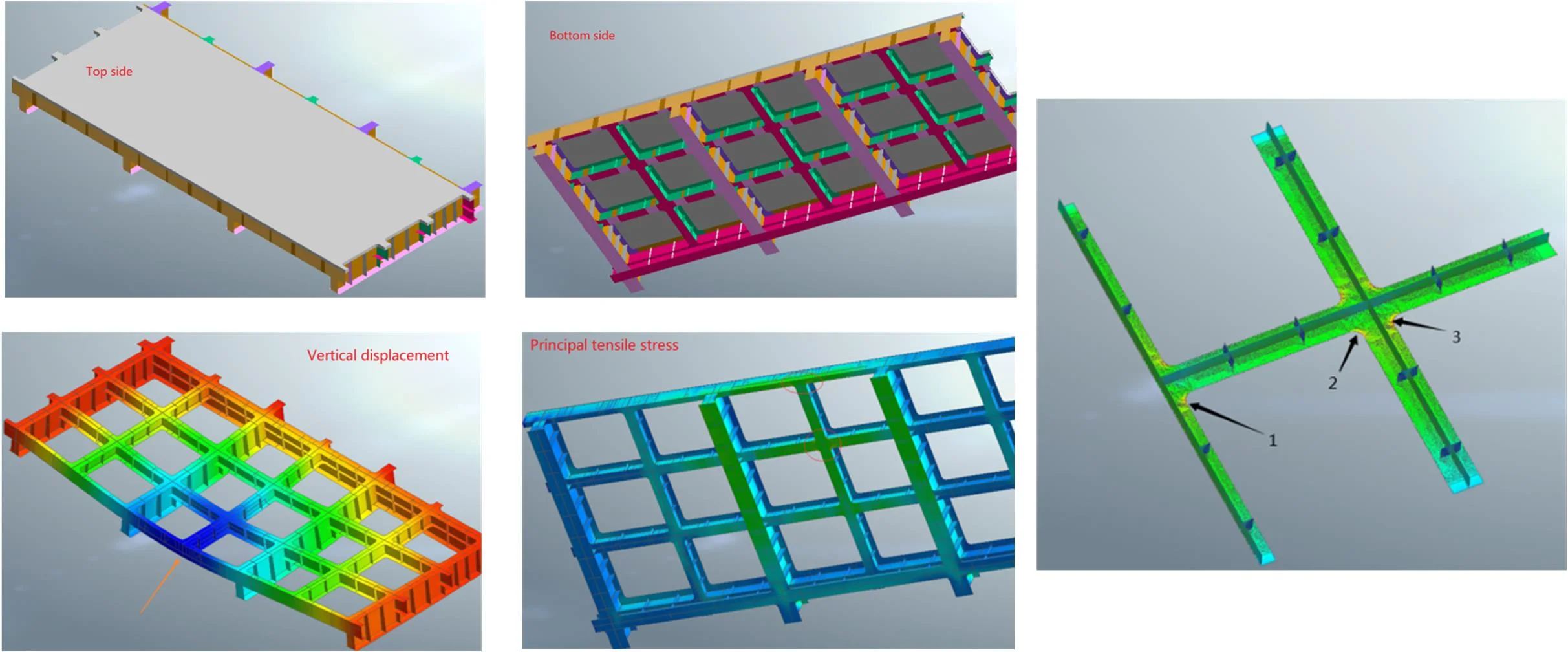
Fatigue is the dominant failure mechanism for steel railway bridges, offshore structures, wind turbine components, and heavy industrial machinery subject to repetitive loading. Unlike static overload failures, fatigue damage accumulates invisibly over thousands or millions of load cycles — until a crack initiates and propagates to sudden failure. For a comprehensive overview of fatigue assessment methods and IoT-powered monitoring, read our fatigue life assessment guide. Many aging structures are approaching — or may already have exceeded — their original design fatigue life, yet continue to operate safely because design assumptions were conservative. Sentra's fatigue and residual life assessment service quantifies actual fatigue damage accumulation using field-measured stress histories, applies established fatigue analysis methods (Miner's Rule, S-N approach, BS 7608, EN 1993-1-9, IIW), and produces engineering-grade remaining useful life (RUL) estimates that support rational service extension, maintenance planning, and decommissioning decisions. Our assessments combine instrumented field measurement campaigns with structural finite element analysis, weld class characterisation, and load spectrum analysis — providing a complete fatigue picture that design calculations based on nominal traffic loading alone cannot deliver.
Continuous stress range monitoring using high-frequency strain gauges captures the actual loading spectrum under live traffic — the foundational data for accurate fatigue damage calculation.
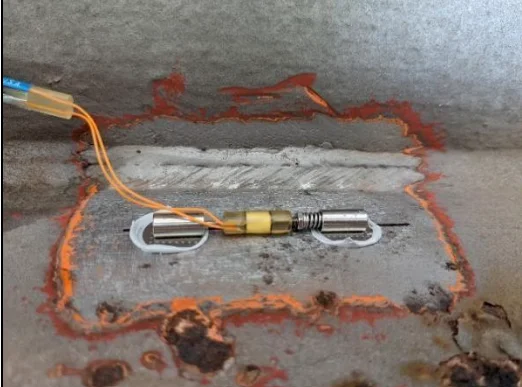
Precision strain gauges with 0.1 microstrain resolution measure the full range of stress cycles — from heavy train or vehicle loads to ambient thermal and wind-induced fluctuations.
High-cycle vibration fatigue from aerodynamic, mechanical, or traffic-induced resonance is captured through accelerometer-based modal analysis and frequency-domain fatigue assessment.
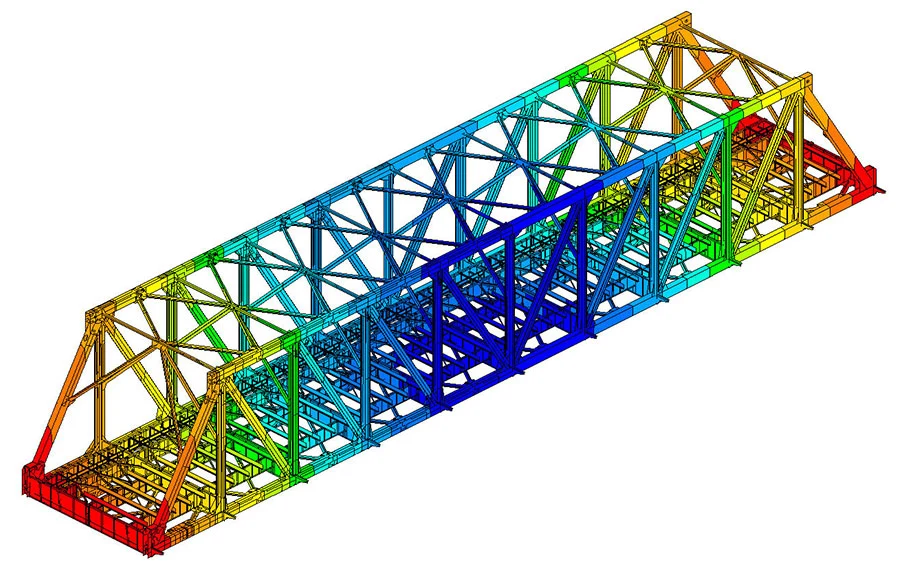
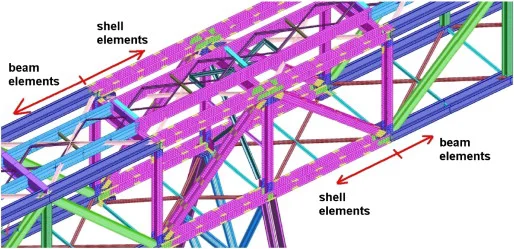
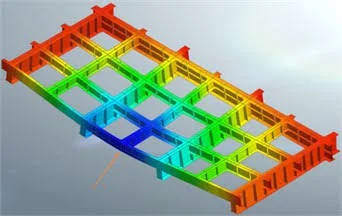
Finite element analysis and strain rosette measurements determine weld hotspot stresses at critical connections — the locations where fatigue cracks preferentially initiate in welded steel structures.
Miner's Rule damage accumulation integrated with measured load spectra and weld class fatigue curves produces quantified RUL estimates — the key output for extension decisions and maintenance planning.
Historic traffic records, weigh-in-motion data, and measured strain histories are integrated to reconstruct the full load history experienced by the structure — essential for accurate accumulated damage assessment.
Measurable Outcomes
Quantifiable results delivered through our monitoring and engineering solutions across infrastructure projects.
Track Record
Proven deliveryEfficiency
Optimised operationsReliability
Always onHow It Works
A structured fatigue assessment process combining field measurement with engineering analysis for quantified life estimates.
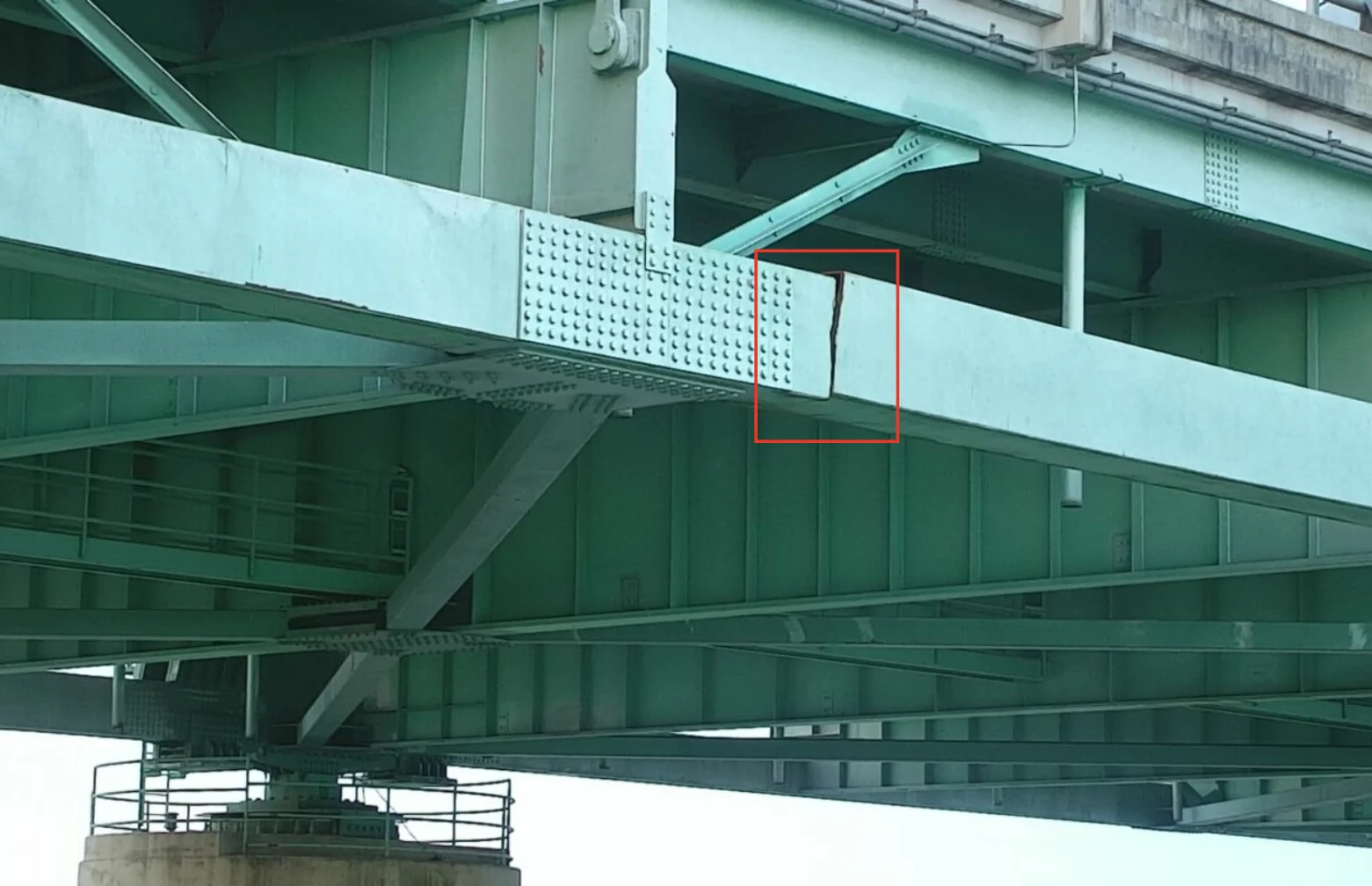
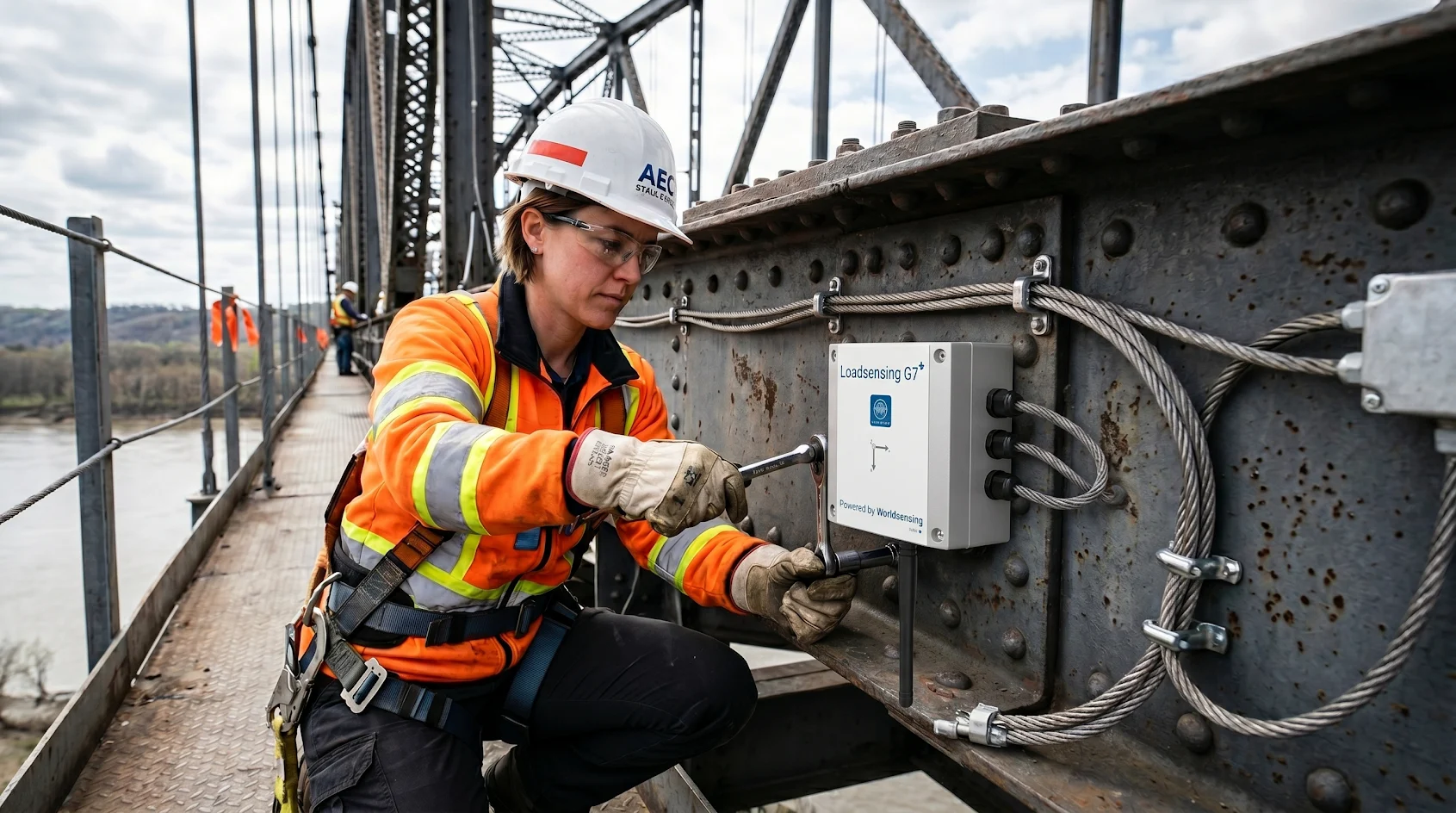
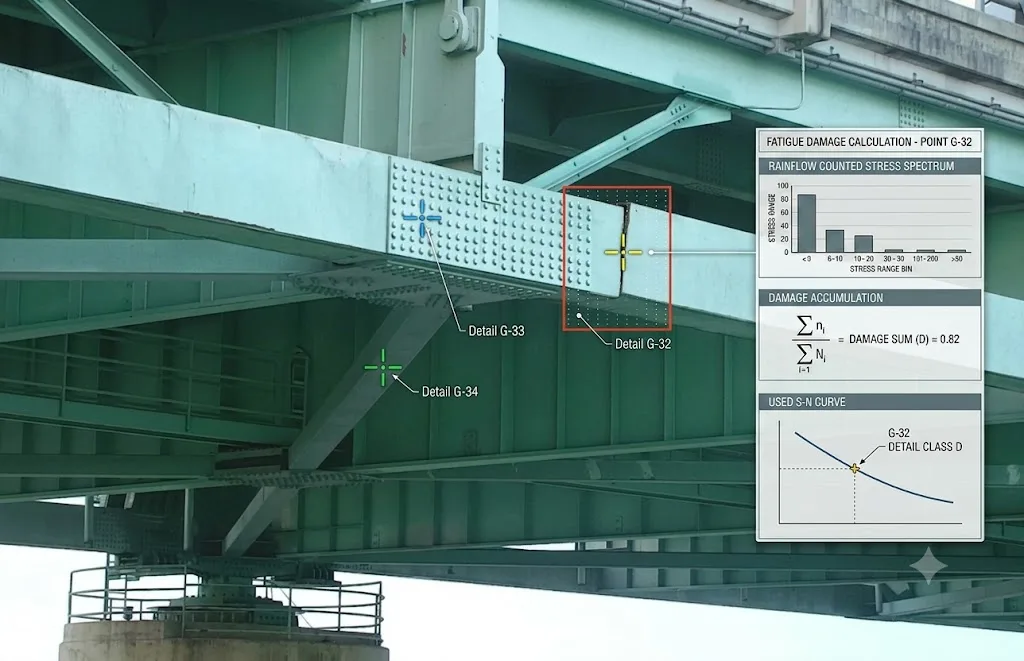

See Our Solutions in Action
Real deployments, real impact — from field instrumentation to command centre dashboards.

How It Helps Your Organisation
Fatigue assessment turns an unknown risk into a managed one — with quantified life estimates that enable confident, evidence-based decisions about aging assets.
What It Prevents
Operating aging structures without a fatigue assessment is an engineering risk that no responsible asset owner should accept. These are the consequences that assessment prevents.
Industries We Serve
Fatigue failure is the critical failure mode for a wide range of assets subject to cyclic loading. Sentra's assessment capability serves all of them.
Why Choose Sentra
Fatigue Assessment in Practice
Real-world fatigue life assessment projects that have extended asset service life and reduced replacement costs.

Related Solutions
Other services that support or complement fatigue assessment programmes.
Frequently Asked Questions
Can't find what you're looking for? Contact our team — we're happy to help.
Structural fatigue is the progressive, cumulative damage that occurs when a material is subjected to repeated cyclic stresses — even well below the static yield strength. Each stress cycle causes a small increment of damage, and when cumulative damage reaches a critical level, a fatigue crack initiates at a stress concentration (typically a weld toe or geometric discontinuity) and propagates until sudden fracture occurs. Fatigue is the primary failure mechanism for steel structures under traffic, wind, wave, or vibration loading.
Residual useful life is calculated by: (1) measuring the actual stress range spectrum at critical structural details using strain gauges under representative live loading; (2) applying rainflow counting to extract the stress range distribution; (3) calculating accumulated fatigue damage using Miner's Rule against the appropriate S-N fatigue curve for the weld class; (4) subtracting accumulated damage from the theoretical fatigue life to determine remaining life; (5) projecting forward under assumed future loading to estimate how many years of service remain. The output is an RUL estimate with uncertainty bounds reflecting loading variability and model conservatism.
Our primary fatigue assessment standards are BS 7608 (fatigue design and assessment of steel structures), EN 1993-1-9 (Eurocode 3 fatigue), IIW recommendations for fatigue design of welded joints, and API RP 2A for offshore structures. For railway bridges we also apply UIC 778-2 and RDSO guidelines where applicable. The choice of standard depends on the structure type, jurisdiction, and client or regulatory requirements.
A standard fatigue assessment for a railway bridge involves: 1–2 days for strain gauge installation; 2–4 weeks for field measurement under live traffic; 1–2 weeks for office analysis and report preparation. The total timeline from mobilisation to final report is typically 6–10 weeks. Desk-study-only assessments based on design loading assumptions can be completed more quickly where field measurement is not feasible or not required by the assessment scope.
Yes, through several proven techniques: weld improvement methods (TIG dressing, hammer peening, HFMI treatment) that improve weld class by one or more fatigue categories; stress redistribution through structural strengthening that reduces stress ranges at critical details; load management — reducing axle loads or speed restrictions on the most heavily loaded structures; and fatigue crack repair by grinding, stop-drilling, or repair welding combined with weld improvement treatment. The appropriate intervention depends on the specific detail, access, and remaining life requirement.
No. Fatigue assessment is performed on in-service structures under live loading — the loading is essential to the assessment. Strain gauges are installed during a maintenance window (typically a short possession for railway bridges) and data is collected over subsequent weeks of normal service. The structure remains fully operational throughout. Only brief access for gauge installation and removal is required, typically planned during existing maintenance possessions to minimise disruption.