Construction has always been an industry built on physical materials, skilled people and engineering expertise. But the way projects are planned, designed, executed, monitored and maintained is changing rapidly.
Construction Is Entering a New Digital Era
AI is beginning to influence decision-making. Digital twins are connecting physical assets with live data. LiDAR and reality capture are turning physical spaces into accurate digital environments. IoT sensors are bringing real-time information from structures and equipment. Robotics and automation are taking on repetitive and hazardous tasks.
At the same time, BIM is moving beyond a design deliverable and becoming an important source of information throughout the asset lifecycle. Autodesk's recent construction technology research highlights ten major areas shaping the industry's future, including AI and machine learning, resource management, 3D printing, XR, sensor data, digital twins, connected construction, estimating technology, BIM and robotics.
For construction companies, the question is no longer whether technology will change the industry. The question is how quickly companies can turn these technologies into practical project outcomes.
1. Artificial Intelligence & Machine Learning
AI is moving from experimentation into practical construction workflows. Construction projects generate enormous amounts of information — drawings, BIM models, schedules, RFIs, specifications, site photographs, inspection reports, cost data and progress information. Historically, much of this information has been reviewed manually. AI can help teams analyze these datasets faster and identify patterns that may otherwise be difficult to detect.
- Predicting project risks and identifying potential delays
- Detecting quality issues and analyzing project documentation
- Automating repetitive workflows
- Forecasting resource requirements and supporting cost estimation
- Prioritizing safety risks and analyzing construction progress
- Supporting predictive maintenance
Autodesk reports that construction leaders increasingly view AI as strategically important, although many organizations are still working through implementation, skills and governance challenges. The next phase of AI in construction will not simply be about generating text — it will be about understanding projects and helping teams make better decisions. We explore this further in AI is coming for infrastructure monitoring.
2. Reality Capture, LiDAR & 3D Scanning
Before a building can be digitally managed, its physical condition needs to be understood. Reality capture technologies such as LiDAR, laser scanning, photogrammetry and UAV-based surveying are transforming how existing buildings and infrastructure are documented. Millions of measurement points can be captured from a physical environment and converted into highly detailed point clouds.
Scan → Point Cloud → CAD/BIM → Digital Twin
This is particularly valuable for existing buildings, industrial facilities, bridges, roads, railways, airports, heritage structures, manufacturing plants, infrastructure upgrades and renovation projects.
Instead of relying entirely on outdated drawings or manual measurements, project teams can start with a digital representation of existing conditions. For complex brownfield projects, this can significantly improve confidence before design and construction begin. Our SLAM LiDAR scanners and digital engineering services support exactly this workflow.
3. Digital Twins
A BIM model describes an asset. A digital twin can go much further, connecting a digital representation of an asset with information from the physical environment — IoT sensors, inspection data, operational information and maintenance records.
Physical Asset ↔ Digital Model ↔ Live Data ↔ Decision-Making
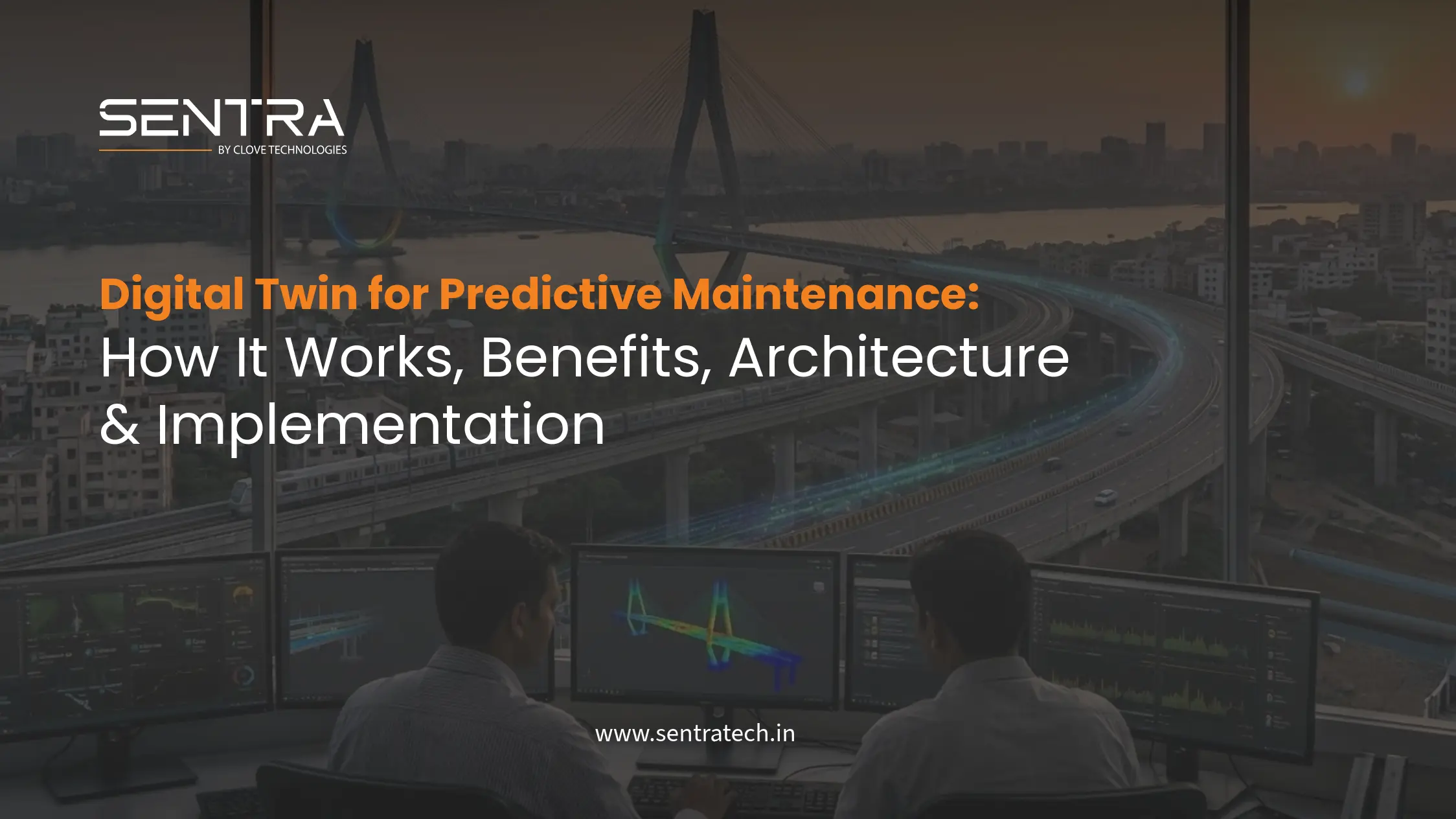
For example, a bridge digital twin could combine BIM geometry, structural information, sensor measurements, inspection history, vibration data, temperature, environmental conditions and maintenance records. Instead of opening separate systems to understand an asset, stakeholders can work toward a connected digital environment.
Autodesk identifies digital twins as one of the technologies expected to shape construction and asset management, particularly as the industry works to connect data across the lifecycle. See our digital twin solutions for how this is applied in practice.
4. IoT & Smart Sensors
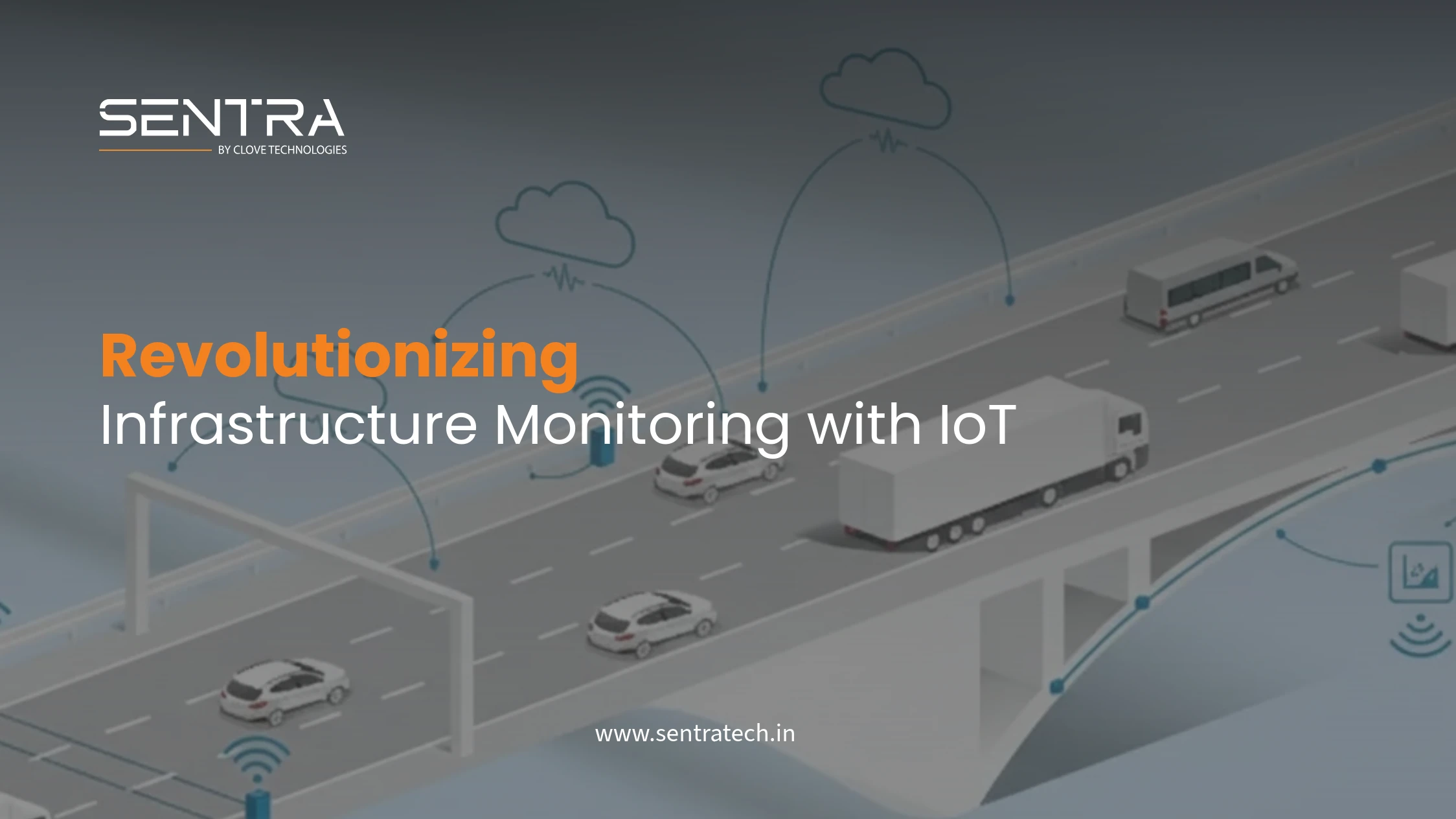
Buildings and infrastructure are becoming increasingly observable. IoT sensors can continuously collect information from physical assets and environments. Depending on the application, sensors can monitor vibration, acceleration, tilt, temperature, humidity, water levels, structural movement, environmental conditions and equipment performance.
For example, Structural Health Monitoring can use sensors to continuously observe a bridge instead of depending solely on periodic inspections. A similar approach can be applied to buildings, bridges, dams, roads, railways and industrial facilities.
The value is not simply the sensor itself. The real value comes from converting sensor data into actionable information.
5. BIM Beyond Design
BIM is no longer just about creating a 3D model during the design phase. Its greater potential lies in becoming a structured information environment throughout the project lifecycle.
- Planning — understanding scope, quantities and design intent.
- Construction — coordinating disciplines, identifying clashes and supporting site teams.
- Handover — delivering structured asset information to owners.
- Operations — connecting asset information with maintenance and facility-management workflows.
- Digital twin — providing the foundation for a richer digital representation of the physical asset.
Autodesk describes this evolution as “BIM beyond design”, emphasizing the value of making BIM information available to field teams and connecting it with broader project data. The future of BIM is therefore not simply a 3D model — it is a 3D model combined with information, sensors, operations and analytics.
6. Connected Construction
One of the biggest challenges in construction is not necessarily a lack of data. It is disconnected data. Design teams may have one system, contractors another, surveyors another, facility managers another. Inspection information may exist in spreadsheets, PDFs, photographs and emails.
Design → BIM → Site → Survey → Progress → Quality → Cost → Handover → Operations
Connected construction aims to bring these information streams together, creating a more reliable source of project information and reducing the fragmentation that can slow decision-making. Autodesk describes connected construction as an approach that brings people, processes and project information together within a common data environment. For construction companies, this can mean fewer information silos and better visibility across the project lifecycle.
7. Extended Reality: AR, VR & MR
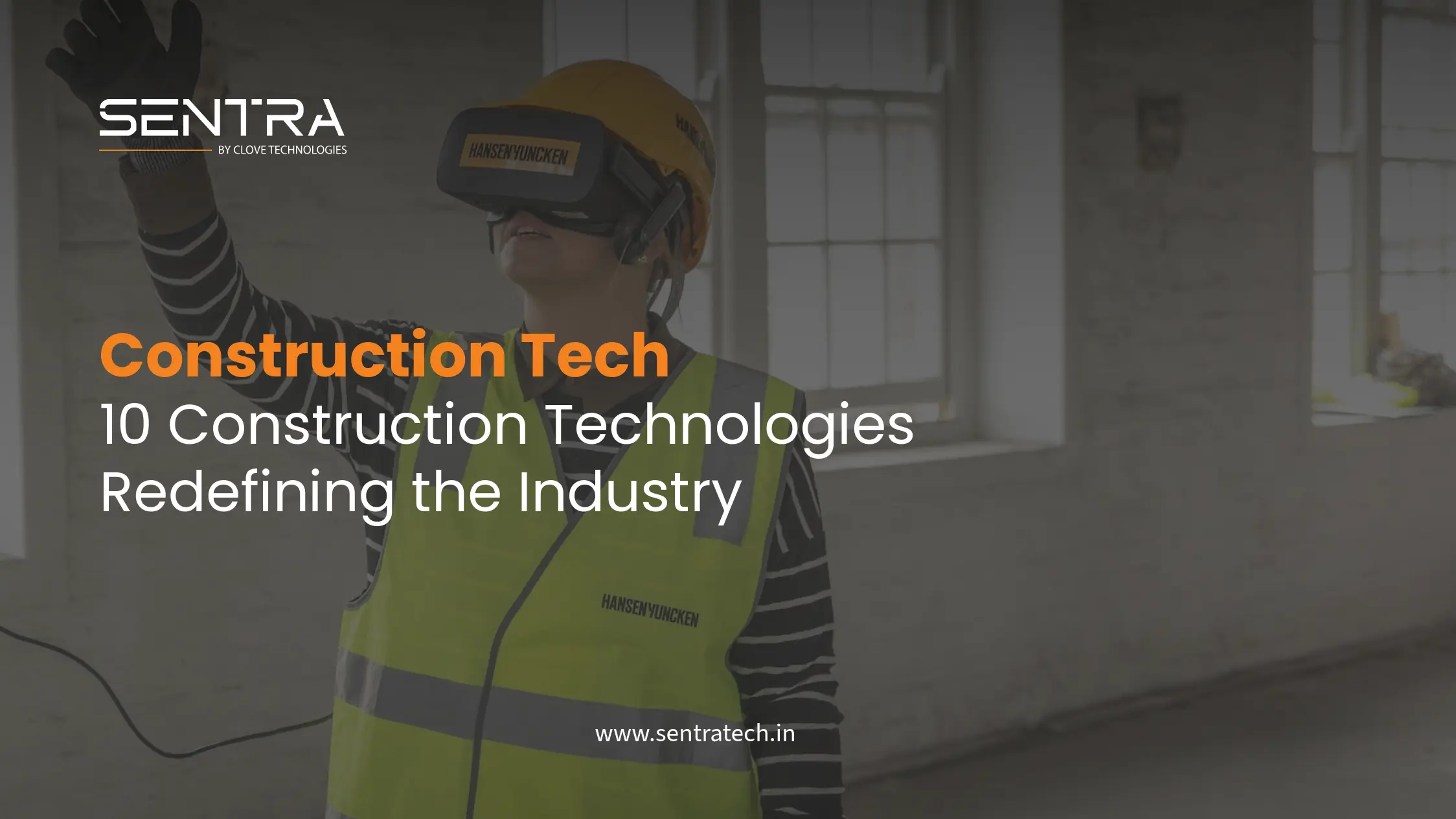
Construction teams traditionally interpret complex information through 2D drawings and computer screens. Extended Reality is changing that interaction. Virtual Reality can allow stakeholders to explore a project before construction begins. Augmented Reality can overlay digital information onto the physical environment. Mixed Reality can allow users to interact with digital models while viewing the real environment.
Potential applications include design reviews, construction coordination, site visualization, safety training, remote inspections, installation verification, client presentations and facility management.
Autodesk notes that XR technologies are increasingly being used for visualization, site inspection and collaborative review of 3D models. The benefit is simple: instead of interpreting the project from a screen, teams can experience the project in context.
8. Robotics & Automation
Construction has traditionally depended heavily on manual labor. Robotics can help automate specific repetitive, precise or hazardous activities — automated surveying, robotic layout, 3D printing, material handling, automated inspection, repetitive construction tasks, site monitoring and autonomous equipment.
Robotics does not necessarily mean replacing construction workers. In many cases, the more realistic opportunity is to augment workers, reduce physical strain and move people away from dangerous or repetitive environments.
Autodesk notes that robotics adoption is growing, although cost, skills and practical deployment remain important barriers. The construction workforce of the future may increasingly work alongside machines rather than simply operate them.
9. 3D Printing & Advanced Fabrication
3D printing is moving beyond prototypes. The technology is being explored for construction components, architectural elements, fixtures and even large-scale building applications. Its potential advantages include reduced material waste, faster production, complex geometries, customized components, reduced dependence on conventional fabrication, potential cost savings and off-site manufacturing.
It also connects with the broader movement toward industrialized construction and prefabrication. Instead of bringing every process to the construction site, more work can potentially happen in controlled manufacturing environments.
Design Digitally → Manufacture Efficiently → Assemble On Site
10. Predictive Monitoring & Smart Asset Management
The biggest opportunity may come after construction is complete. A building or infrastructure asset can operate for decades, yet many organizations still manage assets using periodic inspections and reactive maintenance.
Predictive monitoring changes the approach. Sensors continuously collect information, analytics identify changes, AI helps identify patterns, digital twins provide asset context, and maintenance teams receive actionable information.
Monitor → Detect → Analyze → Predict → Act
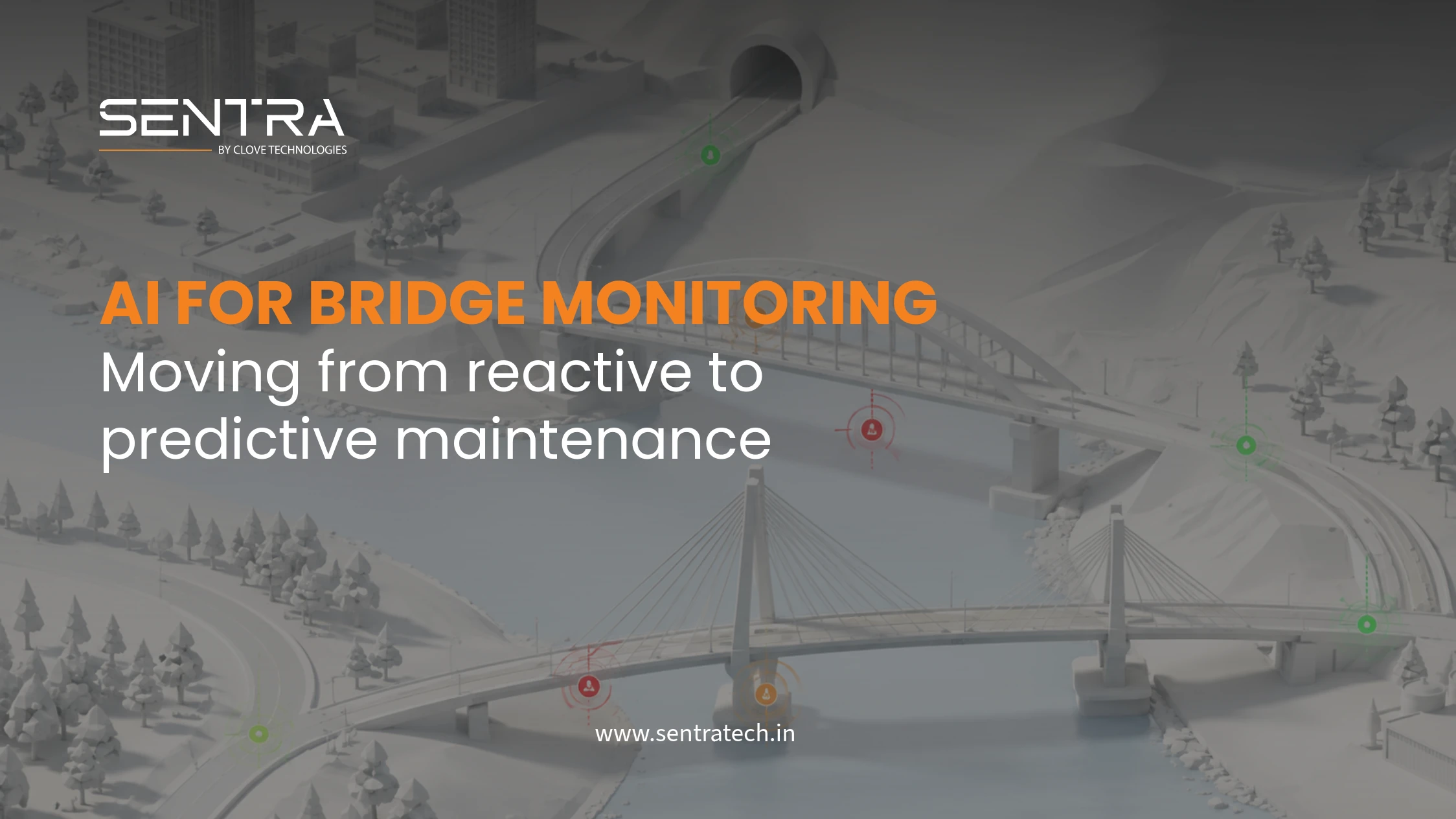
A bridge does not necessarily fail suddenly. Changes in vibration, movement, tilt or other parameters can potentially indicate that something is changing. With continuous structural health monitoring, asset owners can move toward condition-based and predictive maintenance rather than relying entirely on fixed inspection intervals. This is where BIM, IoT, AI and digital twins begin to converge.
The Real Innovation Is Not One Technology
It is tempting to treat these technologies as separate trends. But the biggest transformation will happen when they begin working together. Imagine a future infrastructure project where each layer feeds the next:
- 01
LiDAR
Captures the existing environment.
- 02
BIM
Creates the structured digital model.
- 03
AI
Analyzes design and project information.
- 04
IoT sensors
Continuously monitor the physical asset.
- 05
Digital twin
Connects the physical and digital environments.
- 06
Analytics
Identify changes and potential risks.
- 07
AR / VR
Allows teams to visualize the information.
- 08
Robotics
Supports repetitive or hazardous activities.
- 09
Predictive maintenance
Helps asset owners act before failures occur.
This is more than construction technology. It is the emergence of a connected construction ecosystem.
What This Means for Construction Companies
Technology adoption should not begin with the question “which technology should we buy?” It should begin with “what problem are we trying to solve?”
For one project, the biggest opportunity may be reality capture. For another, it may be BIM coordination. For an infrastructure owner, structural health monitoring may deliver the greatest value. For a facility operator, the priority may be digital twin and asset management. For a contractor, AI-driven project analytics may provide the biggest productivity opportunity.
The winning strategy is therefore not to adopt every emerging technology. It is to identify the technologies that solve the right problems at the right stage of the asset lifecycle.
From Digital Models to Intelligent Infrastructure
Construction is evolving from a largely document-driven industry toward a data-driven and increasingly intelligent one. The future project may not be represented by drawings alone. It may be represented by a continuously evolving digital environment containing geometry, engineering data, project information, sensor data, AI and operational intelligence.
That evolution creates opportunities to improve productivity, quality, safety, cost control, construction coordination, asset visibility, maintenance, sustainability and decision-making — and this transformation is already underway. Autodesk's 2026 construction research emphasizes that AI adoption is moving beyond hype, while current industry discussions increasingly focus on connected workflows, spatial AI and lifecycle data.
How Sentra by Clove Technologies Can Help
Sentra by Clove Technologies works across the intersection of BIM, surveying, reality capture, IoT, digital twins and infrastructure technology, supporting organizations at different stages of the construction and asset lifecycle:
- Reality capture — LiDAR, laser scanning, UAV and point-cloud technologies for accurate existing-condition documentation.
- BIM & Scan-to-BIM — converting physical environments and point-cloud datasets into structured BIM and CAD deliverables.
- Digital twins — creating connected digital representations of buildings, infrastructure and assets.
- IoT & structural monitoring — deploying sensor-based monitoring for infrastructure and environmental conditions.
- AI & predictive analytics — using project and sensor data to identify patterns, risks and opportunities for proactive decision-making.
- Infrastructure monitoring — supporting bridges, roads, railways, dams, buildings and other critical infrastructure.
- Asset management — connecting digital asset information with inspection, monitoring and maintenance workflows.
The Future of Construction Is Connected
The next generation of construction will not be defined by one revolutionary technology. It will be defined by how effectively organizations connect technologies, people and information. AI will help analyze. BIM will help organize. LiDAR will help capture reality. IoT will help observe. Digital twins will help connect. Robotics will help automate. Analytics will help predict. And people will continue to make the decisions that turn all of this information into real-world outcomes.
The construction industry is not simply becoming more digital. It is becoming more connected, measurable and intelligent. The companies that begin building that connected foundation today will be better positioned for the construction projects — and infrastructure assets — of tomorrow.
Reference: Industry trends referenced in this article draw on Autodesk's published construction technology research.
Connecting Reality, Data and Digital Intelligence
Whether your priority is reality capture, BIM coordination, structural health monitoring or a full digital twin, the right starting point is the problem you need to solve. Talk to our team about where connected technology can deliver the most value across your project or asset lifecycle.
Contact us