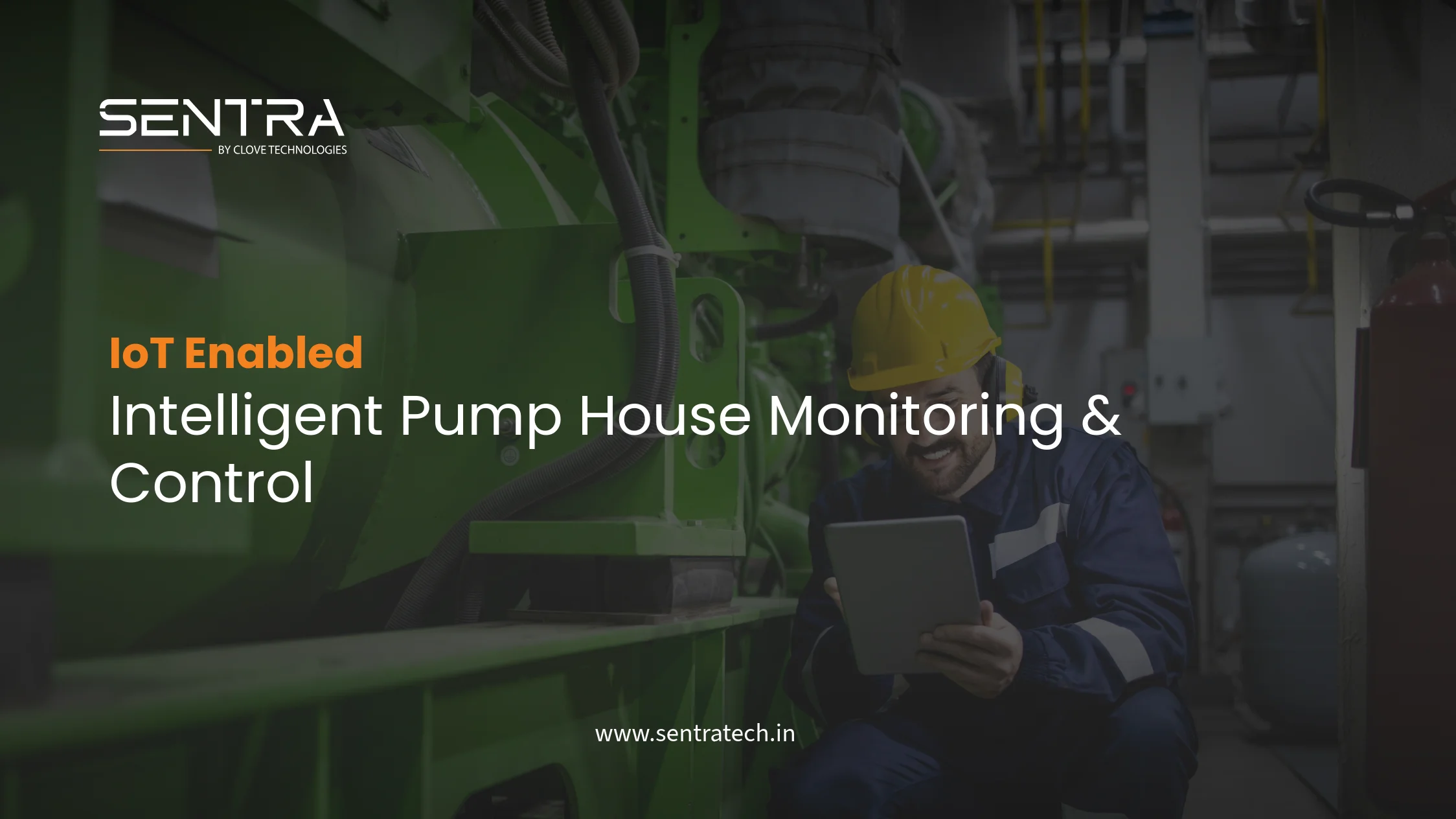
Water infrastructure is the backbone of smart cities, industrial zones, residential communities, and agricultural networks. Yet pump houses (the core of water distribution systems) often operate inefficiently due to manual oversight, outdated controls, energy wastage, and unplanned mechanical failures.
An Intelligent Pump House Monitoring System powered by IoT, vibration analysis, predictive maintenance, and real-time energy optimization can reduce operational costs by up to 40% while significantly improving reliability and sustainability.
The Hidden Challenges in Pump House Operations
Pump houses face multiple operational risks including high energy consumption, pump cavitation, motor overheating, pressure imbalance, and water leakage. In many facilities, pumps operate on fixed schedules rather than demand-based intelligence, which leads to energy waste and accelerated wear.
Water Management Through Intelligent Monitoring
Smart water management begins with visibility. IoT-enabled pump house systems integrate flow meters, pressure sensors, water level sensors, energy meters, temperature sensors, vibration sensors, and motor current monitoring. This creates a real-time operational picture of inflow and outflow rates, tank levels, and energy consumption per cubic meter. Explore our dam and reservoir monitoring solutions for water infrastructure applications.
Vibration Analysis: Protecting Mechanical Assets
Pumps and motors are highly sensitive to vibration. Continuous vibration analysis allows for early fault detection of bearing wear, shaft misalignment, and cavitation. Predictive maintenance uses historical vibration trends and machine learning models to detect patterns that indicate impending failure, reducing unplanned downtime.
Energy Efficiency: Achieving 40% Savings
Intelligent systems optimize Variable Frequency Drives (VFDs), demand-based pumping cycles, and load distribution among multiple pumps. Energy analytics identify inefficiencies in real time, resulting in up to 40% reduction in energy consumption, directly lowering operational expenditure and carbon footprint.
Remote Control & Digital Twin Integration
IoT-enabled pump houses support remote start/stop, pressure adjustment, and automated scheduling. When integrated with GIS and digital twin platforms, each pump is geo-tagged and distribution networks are visualized in 3D. Digital twins simulate demand surges and system failures, enhancing strategic water planning.
Conclusion
Water management is no longer just about supply; it is about efficiency, resilience, and intelligence. An IoT-powered Pump House Monitoring System enables significant energy savings while improving reliability and extending asset life.
Contact us